Thursday, February 12, 2026
ADVT 
Health

How mucus in mouth naturally fight cavities

Darpan News Desk IANS, 12 Nov, 2014 10:50 AM
    Salivary mucins, key components of mucus, actively protect the teeth from cavity-causing bacteria, new research shows.
     
    Mucus is a sophisticated bioactive material with powerful abilities to manipulate microbial behaviour, the researchers noted.
     
    “The research suggests that bolstering native defences might be a better way to fight dental caries than relying on exogenous materials, such as sealants and fluoride treatment,” said first study author Erica Shapiro Frenkel from Harvard University.
     
    The cavity-causing bacteria called Streptococcus mutans attach to teeth using sticky polymers that they produce, eventually forming a biofilm - a protected surface-associated bacterial community.
     
    As S. mutans grows in the biofilm, it produces organic acids as metabolic byproducts that dissolve tooth enamel, which is the direct cause of cavities.
     
    “We found that salivary mucins do not alter S. mutans' growth or lead to bacterial killing over 24 hours,” Frenkel said.
     
    Instead, they limit biofilm formation by keeping S. mutans suspended in the liquid medium.
     
    “This is particularly significant for S. mutans because it only causes cavities when it is attached, or in a biofilm on the tooth's surface,” she added.
     
    Frenkel noted that the oral microbiome is better preserved when naturally occurring species are not killed.
     
    "The ideal situation is to simply attenuate bacterial virulence," she pointed out.
     
    "Defects in mucin production have been linked to common diseases such as asthma, cystic fibrosis, and ulcerative colitis," Frenkel added.
     
    The study appeared online in the journal Applied and Environmental Microbiology.

    MORE Health ARTICLES

    Ladies! Postpone motherhood to live long!

    Ladies! Postpone motherhood to live long!
    Career women who postpone motherhood have reason to cheer as researchers have found that women who have babies later in life are likely to live longer.

    Ladies! Postpone motherhood to live long!

    Poor sleep may affect brain function as you age

    Poor sleep may affect brain function as you age
    Sleep problems are associated with worse memory and executive functions in older people, says a study.

    Poor sleep may affect brain function as you age

    Believe it or not, It's now illegal in some places to be an annoying person

    Believe it or not, It's now illegal in some places to be an annoying person
    Every day, I spring out of bed at six in the morning intending to spread sweetness and light all day. And then the idiots happen.

    Believe it or not, It's now illegal in some places to be an annoying person

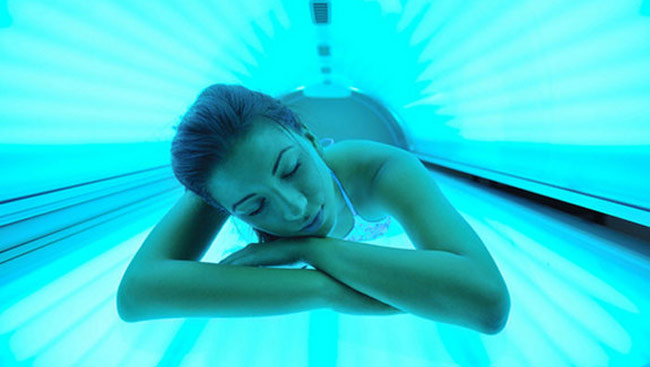
    Indoor tanning ups skin cancer risk

    Indoor tanning ups skin cancer risk
    The ultraviolet (UV) radiation lamps used for indoor tanning put adolescents and young adults at risk for basal cell carcinomas (BCC), the most common form of skin cancer, says a study.

    Indoor tanning ups skin cancer risk

    Midwifery matters more than we realise

    Midwifery matters more than we realise
    Experts have urged global leaders through a series in a science journal to recognise midwifery's potential to save the lives of women and infants worldwide.

    Midwifery matters more than we realise

    Anti-depressants during pregnancy up obesity, diabetes risk in kids

    Anti-depressants during pregnancy up obesity, diabetes risk in kids
    Pregnant women are particularly vulnerable to depression, but women who take anti-depressants during pregnancy may be predisposing their infants to Type 2 diabetes and obesity later in life, says a study.

    Anti-depressants during pregnancy up obesity, diabetes risk in kids