A Dallas nurse being treated for Ebola has received a plasma transfusion from a doctor who beat his own infection with the deadly virus after getting a similar treatment. The reason: Antibodies in the blood of a survivor may help a patient fight off the germ.
Dr. Kent Brantly went to Texas Health Presbyterian Hospital in Dallas on Sunday to donate the plasma to nurse Nina Pham. Brantly got Ebola while caring for patients in Africa, and received plasma from a 14-year-old boy who recovered under his care there.
Brantly also received ZMapp, an experimental drug that contains antibodies against Ebola. Its maker says supplies are now exhausted, leading doctors to look at plasma transfusions as an alternative.
Here is some background about the treatment:
Q. What are antibodies?
A. Antibodies are made by the immune system to fight a germ, and they remain in the blood for some time after an infection resolves. Certain immune system cells replenish them so the person is able to fight off infection if the same germ turns up again. It takes time for an Ebola patient to make enough, so the patient may need someone else's antibodies to fight the disease until they can produce their own.
Q. Why are doctors giving plasma?
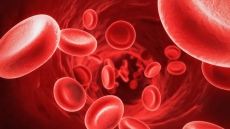
A. Plasma, the clear part of the blood, contains antibodies. Plasma can be removed from whole donated blood or a donor's blood can be filtered through a machine to extract just the plasma. A recipient must have a blood type compatible with the donor.
Q. Is there any proof this works?
A. Antibodies have helped many people battle other infectious diseases but their use against Ebola is too new to establish a track record. So many things affect whether an Ebola patient recovers — how quickly the disease was diagnosed, whether intravenous fluids and other supportive care were given — that it's impossible to know whether plasma or an antibody drug made a difference.
Q. How often can someone donate plasma?
A. "It's believed you can replace your antibodies in about two days," so it's not uncommon for people to donate twice a week, said Dr. James Crowe, an immunologist and director of the Vanderbilt Vaccine Center in Nashville.
Q. Who else has received plasma?
A. Brantly also donated plasma for Ashoka Mukpo, a freelance video journalist being treated in Nebraska, and a fellow doctor who served in Africa, Dr. Rick Sacra, who also was hospitalized in Nebraska and recovered. Brantly said in a recent speech that he also offered his blood to Thomas Eric Duncan, a Liberian man who was treated for Ebola in Dallas, but that their blood types didn't match. Duncan died on Wednesday, and Pham, the nurse, had been taking care of him.
Q. Have other survivors in the U.S. offered plasma?
A. That's not known. Brantly was the first Ebola patient brought back to the U.S. and some others treated since then are said to still be recovering and gaining their strength back. Whether any of them is well enough or willing to donate has not been said.