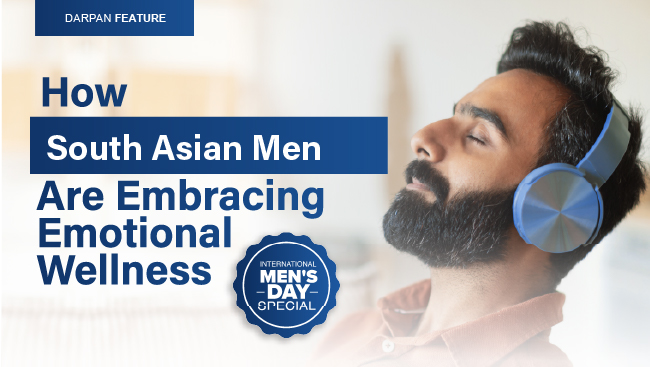
In 2025, South Asian masculinity is undergoing a powerful transformation. Younger generations—especially Gen-Zers and Millennials—are challenging the long-standing belief that strength means silence, stoicism, and emotional suppression. Today, strength is being redefined through vulnerability, empathy, and emotional self-awareness. Therapy is no longer taboo—it’s a tool for growth, healing, and resilience.
Therapy Goes Mainstream
Movements like Therapy Bro Summer have gained traction globally, including among South Asian men. On platforms like Instagram and TikTok, men are sharing their mental health journeys, discussing therapy openly, and encouraging others to seek help. These stories reflect real struggles—burnout, heartbreak, career pressure, and unresolved trauma. For many South Asian men, especially those raised in immigrant or conservative households, therapy offers a safe space to unpack cultural expectations and emotional burdens.
Emotional Intelligence as Real Strength
Emotional Intelligence has become a defining trait of modern masculinity. Therapy helps men identify their emotions, understand their roots, and respond with compassion. Neuroscience supports this shift—regular therapy strengthens self-awareness and emotional regulation. South Asian men who embrace therapy report stronger relationships, better sleep, and higher self-esteem. Vulnerability is no longer a weakness—it’s courage.

This shift is also generational. Many South Asian men are the first in their families to seek therapy, breaking cycles of emotional repression. In cultures where stoicism was tied to survival or pride, therapy allows men to explore how these beliefs have shaped their inner lives. These “cycle breakers” are modeling emotional literacy for their children, friends, and communities—healing not just themselves, but entire lineages.
In therapy, South Asian men are learning to express truths like “I feel disconnected from my father” or “I’m afraid of failing in my relationship.” These statements demonstrate profound self-awareness and a commitment to personal growth. The impact is profound—stronger partnerships, improved mental health, and greater clarity.
Wellness Beyond Therapy
Beyond therapy, emotional wellness can be cultivated through everyday practices. Dance forms like Bhangra offer joyful movement and cultural connection. Spending time in nature—whether hiking, walking, or simply sitting outdoors—helps regulate stress and restore balance. Social engagement, especially with trusted friends or community groups, fosters belonging and emotional expression. Even simple acts like journaling or sharing feelings with a sibling can be transformative.
Therapized men are leading by example. Their openness creates ripple effects in families, workplaces, and communities. Organizations now recognize emotional fluency as a leadership asset. Men who prioritize mental wellness lead with empathy, resilience, and presence.
In 2025, therapy isn’t a crutch—it’s a gym for the mind and heart. South Asian men who commit to emotional fitness are reshaping masculinity with purpose, accountability, and heart. The bravest thing a man can do today is feel, heal, and lead—with compassion and courage.