Friday, July 3, 2026
ADVT 
Health

Inherited viruses make us smarter

Darpan News Desk IANS, 13 Jan, 2015 10:57 AM
    Long thought to be "junk DNA" of no real use, millions of years old inherited viruses actually play an important role in making the human brain dynamic and multifaceted in its functions, says a study.
     
    These endogenous retroviruses that constitute around five percent of our DNA were earlier thought to be just a side-effect of our evolutionary journey.
     
    Retroviruses seem to play a central role in the basic functions of the brain, more specifically in the regulation of which genes are to be expressed and when.
     
    "We have been able to observe that these viruses are activated specifically in the brain cells and have an important regulatory role," said head of the research team Johan Jakobsson from Lund University in Sweden.
     
    "We believe that the role of retroviruses can contribute to explaining why brain cells in particular are so dynamic and multifaceted in their function," Jakobsson added.
     
    The reason the viruses are activated specifically in the brain is probably due to the fact that tumours cannot form in nerve cells, unlike in other tissues.
     
    The findings based on studies of neural stem cells show that these cells use a particular molecular mechanism to control the activation processes of the retroviruses.
     
    The results open up potential for new research paths concerning brain diseases linked to genetic factors such as neurodegenerative diseases, psychiatric illness and brain tumours, the researchers pointed out.
     
    The study appeared in the journal Cell Reports.
    MORE Health ARTICLES

    Build super muscles with soy-dairy protein

    Build super muscles with soy-dairy protein
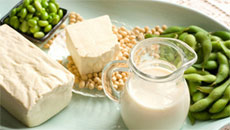
    Not happy with gym results on your muscles? Try a blend of soy and dairy proteins after resistance exercises as this has now been touted as the best way to build muscle mass.

    Build super muscles with soy-dairy protein

    'Love hormone' bonds animals like humans

    'Love hormone' bonds animals like humans
    And you thought you had a patent on 'love hormone' when it comes to showing affection! Dogs too have oxytocin and release it in a good quantity when in love or looking for bonding.

    'Love hormone' bonds animals like humans

    Can you believe it? Metabolism existed even before origin of life, reveales study

    Can you believe it? Metabolism existed even before origin of life, reveales study
    The mystery behind how the first organisms on earth could have become metabolically active has been unlocked.

    Can you believe it? Metabolism existed even before origin of life, reveales study

    Fly's genome study offers hope for sleeping sickness

    Fly's genome study offers hope for sleeping sickness
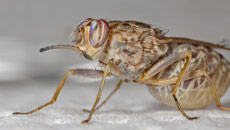
    With genome decoding of tsetse fly that causes the potentially fatal sleeping sickness disease, scientists have discovered new clues to the diet, vision and reproductive strategies of the insect.

    Fly's genome study offers hope for sleeping sickness

    Technology to catch dozing drivers on the go

    Technology to catch dozing drivers on the go
    Long rides at night can now become a lot more pleasant and safe if you listen to researchers who have developed an inexpensive and easier way to find out when the person behind the wheel is about to nod off.

    Technology to catch dozing drivers on the go

    Astronauts may face attention deficit risks

    Astronauts may face attention deficit risks
    Astronauts who are radiation-sensitive need to take extra care to protect their brains as they may face risks of attention deficit and slower reaction times, a study suggests.

    Astronauts may face attention deficit risks