Saturday, March 28, 2026
ADVT 
Health

Junk Food May Shrink Your Brain: Study

IANS, 14 Sep, 2015 10:10 AM
    The part of the brain believed to be integral to learning, memory and mental health is smaller in people who regularly consume unhealthy foods such as sweet drinks, salty snacks and processed meats, new research has found.
     
    Although the study was conducted in adults over 60 years of age, the researchers believe that the findings are relevant for people of all ages, including children.
     
    "We have known for some time that components of diet, both healthy and unhealthy, have a rapid impact on aspects of the brain that affect hippocampal size and function, but up until now these studies have only been done in rats and mice,” said lead study author Felice Jacka, associate professor at Deakin University School of Medicine in Geelong, Australia.
     
    "This is the first study to show that this also appears to be the case for humans,” Jacka noted.
     
    The researchers used magnetic resonance imaging to measure the size of hippocampi (there are two in the brain - left and right) in Australian adults aged 60-64 years.
     
    Older adults who ate more unhealthy foods, such as sweet drinks, salty snacks and processed meats, had smaller left hippocampi, the findings showed.
     
    Those who ate more nutrient-rich foods, such as vegetables, fruits and fish, had larger left hippocampi.
     
    These findings have relevance for both dementia and mental health, Jacka said.
     
    "As the hippocampus is critical to learning and memory throughout life, as well as being a key part of the brain involved in mental health, this study underscores the importance of good nutrition for children, adolescents and adults of all ages,” she pointed out.
     
    The study was published in the journal BMC Medicine.

    MORE Health ARTICLES

    Premature babies at higher risk of brain disorders

    Premature babies at higher risk of brain disorders
    In the early stages of brain growth, a disturbance like a premature birth could affect its neuro-circuitry, leading to a higher risk of neurological disorders, says a new research....

    Premature babies at higher risk of brain disorders

    Orange triggers deadly allergy in asthmatic toddler

    Orange triggers deadly allergy in asthmatic toddler
    A toddler in Pennsylvania suffered a life-threatening allergic reaction called anaphylaxis after eating an orange - the first time such a case has been reported in someone so young....

    Orange triggers deadly allergy in asthmatic toddler

    'Lactose intolerance reduces risk of certain cancers'

    'Lactose intolerance reduces risk of certain cancers'
    People with lactose intolerance are at a lower risk of suffering from lung, breast and ovarian cancers, says a new research....

    'Lactose intolerance reduces risk of certain cancers'

    Walnut-rich diet may lower risk of Alzheimer's

    Walnut-rich diet may lower risk of Alzheimer's
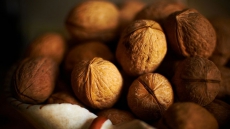
    A diet rich in walnuts has the beneficial effect of lowering the risk or preventing Alzheimer's disease altogether, a research said Thursday....

    Walnut-rich diet may lower risk of Alzheimer's

    Diabetes, heart disease may share deep roots

    Diabetes, heart disease may share deep roots
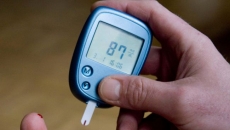
    Type 2 diabetes and cardio-vascular disease often occur together and scientists have now discovered that the two diseases may be related at the level of genes...

    Diabetes, heart disease may share deep roots

    Ditch Ready-to-eat Meals To Avoid High Calories

    Ditch Ready-to-eat Meals To Avoid High Calories
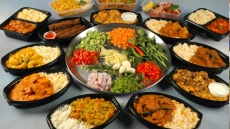
    Do you want to help trim yours and your family’s waistlines? One can save over a month’s worth of calories every year by ditching 'ready meals' and instead taking a Do it Yourself (DIY) approach to making common foods.

    Ditch Ready-to-eat Meals To Avoid High Calories