Sunday, March 29, 2026
ADVT 
Health

Junk Food May Shrink Your Brain: Study

IANS, 14 Sep, 2015 10:10 AM
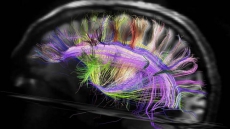
    The part of the brain believed to be integral to learning, memory and mental health is smaller in people who regularly consume unhealthy foods such as sweet drinks, salty snacks and processed meats, new research has found.
     
    Although the study was conducted in adults over 60 years of age, the researchers believe that the findings are relevant for people of all ages, including children.
     
    "We have known for some time that components of diet, both healthy and unhealthy, have a rapid impact on aspects of the brain that affect hippocampal size and function, but up until now these studies have only been done in rats and mice,” said lead study author Felice Jacka, associate professor at Deakin University School of Medicine in Geelong, Australia.
     
    "This is the first study to show that this also appears to be the case for humans,” Jacka noted.
     
    The researchers used magnetic resonance imaging to measure the size of hippocampi (there are two in the brain - left and right) in Australian adults aged 60-64 years.
     
    Older adults who ate more unhealthy foods, such as sweet drinks, salty snacks and processed meats, had smaller left hippocampi, the findings showed.
     
    Those who ate more nutrient-rich foods, such as vegetables, fruits and fish, had larger left hippocampi.
     
    These findings have relevance for both dementia and mental health, Jacka said.
     
    "As the hippocampus is critical to learning and memory throughout life, as well as being a key part of the brain involved in mental health, this study underscores the importance of good nutrition for children, adolescents and adults of all ages,” she pointed out.
     
    The study was published in the journal BMC Medicine.

    MORE Health ARTICLES

    With Early Signs Flu Season Looms, It's Time To Roll Up Your Sleeve

    With Early Signs Flu Season Looms, It's Time To Roll Up Your Sleeve
    TORONTO - Summer is starting to seem like a distant memory. And the remains of your Thanksgiving turkey may not yet be boiling for soup stock.

    With Early Signs Flu Season Looms, It's Time To Roll Up Your Sleeve

    Ebola: When It's Contagious, How It Spreads And Other Things You Need To Know To Stay Safe

    Ebola: When It's Contagious, How It Spreads And Other Things You Need To Know To Stay Safe
    Only when someone is showing symptoms, which can start with vague symptoms including a fever, flu-like body aches and abdominal pain, and then vomiting and diarrhea.

    Ebola: When It's Contagious, How It Spreads And Other Things You Need To Know To Stay Safe

    Brain may produce nerve cells even after stroke

    Brain may produce nerve cells even after stroke
    Scientists have discovered a previously unknown mechanism through which the brain produces new nerve cells even after a stroke....

    Brain may produce nerve cells even after stroke

    How the Ebola virus got its name

    How the Ebola virus got its name
    The deadly Ebola virus that has killed over 3,300 people in West Africa since its current outbreak was confirmed in March, was christened in 1976 after a river....

    How the Ebola virus got its name

    Faecal capsules may treat gut infection

    Faecal capsules may treat gut infection
    C. difficile bacteria live harmlessly in many people's guts alongside hundreds of other species - all competing for space and food. But some antibiotics can kill C...

    Faecal capsules may treat gut infection

    High cholesterol ups risk of prostate cancer recurrence

    High cholesterol ups risk of prostate cancer recurrence
    Higher levels of cholesterol and triglycerides, two types of fat, in the blood of men who underwent surgery for prostate cancer, may increase risk of disease recurrence, says a study....

    High cholesterol ups risk of prostate cancer recurrence