Wednesday, April 1, 2026
ADVT 
Health

Junk Food May Shrink Your Brain: Study

IANS, 14 Sep, 2015 10:10 AM
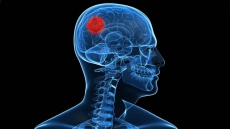
    The part of the brain believed to be integral to learning, memory and mental health is smaller in people who regularly consume unhealthy foods such as sweet drinks, salty snacks and processed meats, new research has found.
     
    Although the study was conducted in adults over 60 years of age, the researchers believe that the findings are relevant for people of all ages, including children.
     
    "We have known for some time that components of diet, both healthy and unhealthy, have a rapid impact on aspects of the brain that affect hippocampal size and function, but up until now these studies have only been done in rats and mice,” said lead study author Felice Jacka, associate professor at Deakin University School of Medicine in Geelong, Australia.
     
    "This is the first study to show that this also appears to be the case for humans,” Jacka noted.
     
    The researchers used magnetic resonance imaging to measure the size of hippocampi (there are two in the brain - left and right) in Australian adults aged 60-64 years.
     
    Older adults who ate more unhealthy foods, such as sweet drinks, salty snacks and processed meats, had smaller left hippocampi, the findings showed.
     
    Those who ate more nutrient-rich foods, such as vegetables, fruits and fish, had larger left hippocampi.
     
    These findings have relevance for both dementia and mental health, Jacka said.
     
    "As the hippocampus is critical to learning and memory throughout life, as well as being a key part of the brain involved in mental health, this study underscores the importance of good nutrition for children, adolescents and adults of all ages,” she pointed out.
     
    The study was published in the journal BMC Medicine.
    MORE Health ARTICLES

    Artificial anti-cancer molecules created in a jiffy

    Artificial anti-cancer molecules created in a jiffy
    In what could lead to new anti-cancer drugs, researchers have developed a new method to produce molecules that have a similar structure to peptides...

    Artificial anti-cancer molecules created in a jiffy

    Neuronal 'sweet spot' can curb obesity

    Neuronal 'sweet spot' can curb obesity
    Preventing weight gain, obesity and diabetes could be as simple as keeping a nuclear receptor from being activated in a small part of the brain, says a new study....

    Neuronal 'sweet spot' can curb obesity

    First molecular map to detect vision loss created

    First molecular map to detect vision loss created
    An Indian-origin researcher-led team has created the most detailed map to date of a region of the human eye, long associated with blinding diseases...

    First molecular map to detect vision loss created

    Revealed: Why brain tumours are more common in men

    Revealed: Why brain tumours are more common in men
    The absence of a protein known to reduce cancer risk can explain why brain tumours occur more often in males and are more harmful than similar tumours in females....

    Revealed: Why brain tumours are more common in men

    In-flight infants at greater death risk: Study

    In-flight infants at greater death risk: Study
    If we believe a shocking in-flight pattern revealed by researchers, lap infants are at greater risk of dying on board owing to bad sleeping arrangements....

    In-flight infants at greater death risk: Study

    Herbal anti-malaria drug may control asthma

    Herbal anti-malaria drug may control asthma
    According to researchers from National University of Singapore (NUS), the "artesunate" herbal drug can herald better treatment outcomes than other...

    Herbal anti-malaria drug may control asthma