Saturday, December 27, 2025
ADVT 
Health

Meditation, Yoga Can 'Reverse' Stress-Causing DNA Reactions

IANS, 16 Jun, 2017 11:42 AM

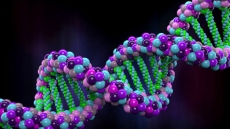
    Practising mind-body interventions such as meditation, yoga and Tai Chi daily may not only relax you but could also reverse the molecular reactions in the DNA that causes stress as well as boost well-being, according to a study.


    The findings, by researchers from UK's Coventry University, showed that people who practise mind-body interventions exhibit a decrease in the production of a molecule called nuclear factor kappa B (NF-kB), which is known to regulate gene expression.


    When a person is exposed to a stressful event, their sympathetic nervous system (SNS) -- the system responsible for the "fight-or-flight" response -- is triggered.


    This SNS activity leads to the production of NF-kB, which produces molecules called cytokines that cause cellular inflammation.


    This reaction is useful for dealing with a stressful situation, but if its persistent it can lead to a higher risk of cancer, accelerated ageing and psychiatric disorders like depression.


    Meditation, yoga and Tai Chi may decrease the production of NF-kB and cytokines, leading to a reversal of the pro-inflammatory gene expression pattern and a reduction in the risk of inflammation-related diseases and conditions, the researchers said.


    "Millions of people around the world already enjoy the health benefits of mind-body interventions like yoga or meditation, but what they perhaps don't realise is that these benefits begin at a molecular level and can change the way our genetic code goes about its business," said lead researcher Ivana Buric.


    "These activities are leaving what we call a molecular signature in our cells, which reverses the effect that stress or anxiety would have on the body by changing how our genes are expressed. Put simply, mind-body interventions cause the brain to steer our DNA processes along a path which improves our wellbeing," Buric added.


    For the study, published in the journal Frontiers in Immunology, the team examined 18 studies -- featuring 846 participants over 11 years.


    The results revealed a pattern in the molecular changes which happen to the body as a result of practising mind-body interventions, and how those changes benefit our mental and physical health.


    MORE Health ARTICLES

    Sloppy Contact Lens Use Is Driving More 1 Million Eye Infections Each Year

    Sloppy Contact Lens Use Is Driving More 1 Million Eye Infections Each Year
    NEW YORK — A new government report says sloppy care of contact lenses is a main reason for hundreds of thousands of eye infections each year.

    Sloppy Contact Lens Use Is Driving More 1 Million Eye Infections Each Year

    Phone use may lead to brain cancer

    Phone use may lead to brain cancer
    The longer someone talks over the phone - in terms of hours and years - the more likely is he/she to develop glioma, a deadly form of brain cancer, says a new study....

    Phone use may lead to brain cancer

    Artificial retina could help restore vision of elderly

    Artificial retina could help restore vision of elderly
    A team of researchers has created a wireless and light-sensitive, flexible film that could potentially substitute a damaged retina....

    Artificial retina could help restore vision of elderly

    Flawed gene may curb heart attack risk by half

    Flawed gene may curb heart attack risk by half
    Rare mutations that shut down a single gene called NPC1L1 are linked to lower cholesterol levels and a 50 percent reduction in the risk of heart attack, says an Indian-origin cardiologist....

    Flawed gene may curb heart attack risk by half

    Vitamin B doesn't stem memory loss

    Vitamin B doesn't stem memory loss
    A day before Indian Prime Minister Narendra Modi arrives in Brisbane for the G20 summit, Australia is waiting anxiously for the Indian Prime Minister's overdue visit to commence....

    Vitamin B doesn't stem memory loss

    Personalized Genetic Test Could Predict Prostate Cancer Recurrence

    Personalized Genetic Test Could Predict Prostate Cancer Recurrence
    TORONTO — Canadian researchers have developed a genetic test to identify which men are at highest risk for recurrence of prostate cancer following localized treatment with surgery or radiation therapy.

    Personalized Genetic Test Could Predict Prostate Cancer Recurrence