Wednesday, February 11, 2026
ADVT 
Health

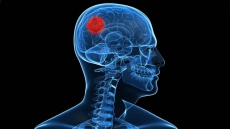
Mental illness doubles cardiac, stroke risks

Darpan News Desk IANS, 27 Oct, 2014 07:22 AM
  • Mental illness doubles cardiac, stroke risks
People facing mental health challenges are twice as likely to contract heart diseases, found a research.
 
Psychiatric medications, unhealthy activities and access to health care are three major factors that account for the increased risk, the findings showed.
 
"This population is at high risk, and it is even greater for people with multiple mental health issues," said lead author of the study Katie Goldie from the Centre for Addiction and Mental Health, Toronto in Canada.
 
For the study, the researchers used data from the Canadian Community Health Survey.
 
The study included people with schizophrenia, bipolar disorders, major depressive and anxiety disorders.
 
Among the psychiatric drugs examined were antipsychotic, antidepressant, benzodiazepine and mood-stabilizing medications.
 
The researchers found that people who have had a mental health disorder at any point in their life were twice as likely to have contracted a heart disease or experienced a stroke.
 
Again, those who have not developed a heart disease or experienced a stroke are more likely to be at a high, long-term, risk of developing cardio-vascular disease, when compared to the general population.
 
People who used psychiatric medications were twice as likely to contract heart disease and three times as likely to experience a stroke compared with those not taking these medications, the findings showed.
 
Psychiatric medications can induce weight gain and impair the breakdown of fats and sugars by the body. This can lead to obesity, high cholesterol and diabetes.
 
Besides, patients with mental health disorders may also have difficulty communicating their health needs
 
The study was presented today at the Canadian Cardiovascular Congress.
MORE Health ARTICLES

Neuronal 'sweet spot' can curb obesity

Neuronal 'sweet spot' can curb obesity
Preventing weight gain, obesity and diabetes could be as simple as keeping a nuclear receptor from being activated in a small part of the brain, says a new study....

Neuronal 'sweet spot' can curb obesity

First molecular map to detect vision loss created

First molecular map to detect vision loss created
An Indian-origin researcher-led team has created the most detailed map to date of a region of the human eye, long associated with blinding diseases...

First molecular map to detect vision loss created

Revealed: Why brain tumours are more common in men

Revealed: Why brain tumours are more common in men
The absence of a protein known to reduce cancer risk can explain why brain tumours occur more often in males and are more harmful than similar tumours in females....

Revealed: Why brain tumours are more common in men

In-flight infants at greater death risk: Study

In-flight infants at greater death risk: Study
If we believe a shocking in-flight pattern revealed by researchers, lap infants are at greater risk of dying on board owing to bad sleeping arrangements....

In-flight infants at greater death risk: Study

Herbal anti-malaria drug may control asthma

Herbal anti-malaria drug may control asthma
According to researchers from National University of Singapore (NUS), the "artesunate" herbal drug can herald better treatment outcomes than other...

Herbal anti-malaria drug may control asthma

Probiotics crucial for super gut health

Probiotics crucial for super gut health
The bacteria that aid in digestion help keep the intestinal lining intact, scientists say, adding that daily probiotics hold the key to ward off inflammatory...

Probiotics crucial for super gut health