The American Heart Association (AHA) has for the first time issued a scientific statement on female heart attacks, underscoring knowledge gaps and outlining the priority steps needed to better understand and treat heart disease in women.
The statement chaired by Dr. Laxmi Mehta, a cardiologist at the Ohio State University's Wexner Medical Centre, compiles the newest data on symptoms, treatments and the types of heart attacks among women.
"Over the last 10 years or so, we've learned that women's hearts are different than men's in some significant ways and while that's helped reduce mortality, there's much more to know," said Mehta, who is also director of Ohio State's women's cardiovascular health programme.
Cardiovascular disease is the leading cause of death for women globally.
While men and women both experience chest pain as a primary heart attack symptom, women often have atypical, vague symptoms without the usual chest pain such as palpitations, pain in the back, shoulder or jaw, even anxiety, sweating or indigestion.
Some women may only experience shortness of breath, nausea, vomiting or flu-like symptoms.
"These symptoms can be very challenging for the patient and the medical profession. Women tend to under recognise or deny them. When they do present to the emergency department, it is important for these symptoms to be triaged appropriately as potential heart problems," Mehta emphasised.
Delay in seeking treatment is more common among women than men. The authors report several factors can lead to a delay in seeking help for heart attack symptoms.
"Living alone, interpreting symptoms as temporary or not urgent, consulting with a doctor or family member first and fear of embarrassment if the symptoms aren't serious are some of them," the authors noted.
"We don't yet clearly understand why women have different causes and symptoms of heart attacks," Mehta said.
"Women are more complex, there are more biological variables such as hormonal fluctuations. That's why more research is needed," she said.
Social, environmental and community differences also play a role in how women's treatment outcomes differ from men's.
More women have depression related to heart disease, which can hinder their treatment.
Women less often complete cardiac rehabilitation due to competing work and family responsibilities and lack of support.
Frankly, women are great at nagging their spouses, so they make sure their partner takes their medications, goes to cardiac rehab, eats better and sees the doctor.
"Unfortunately. many women don't make their own personal health their priority, which contributes to more favourable outcomes in men versus women after a heart attack," Mehta noted.
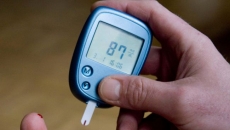
Certain cardiovascular risk factors are more potent in women, including Type 2 diabetes and high blood pressure.
There is also growing evidence that emotional stress and depression can influence the onset and course of heart disease in women.
"The first step to help improve outcomes for women is attention to gender-specific characteristics and disparities to improve awareness, prevention, recognition and treatment in women with heart disease," Mehta said.