Wednesday, December 31, 2025
ADVT 
Health

Nervous system plays bigger role in infections

Darpan News Desk IANS, 28 Nov, 2014 12:47 PM
    The nervous system may play a bigger role in infections and auto-immune diseases than previously known, says a study.
     
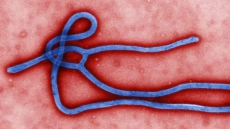
    Learning more about that role could lead to early diagnosis and treatment of people affected by pandemics or outbreaks of contagious or deadly diseases, such as flu or Ebola, the study added.
     
    The researchers noted that neurons of the peripheral nervous system - specialised nerve cells that transmit information throughout the body - are known to send information about local infections or inflammation to the central nervous system (CNS - the brain and spinal cord) so the CNS can co-ordinate the whole body response.
     
    "The neurons may be sending the CNS not just a general 'danger warning' but specific information about whether the infection is caused by a virus or bacteria, the type of bacteria present or the nature of the auto-immune reaction," said Benjamin Steinberg from St. Michael's Hospital in Canada.
     
    "The blue sky idea is that if we know the language and can read the code, in theory we can engineer or write our own," Steinberg said.
     
    Since those messages are being sent from neurons to the CNS in real time, knowing what they are saying could speed diagnoses or prognostication of everything from the stomach flu to rheumatoid arthritis.
     
    The current method for confirming infections is to test body fluids or tissues, sometimes using invasive techniques, a process that can take hours, days or even longer.
     
    "Timely diagnosis and intervention are essential to minimize deaths and complications," Steinberg stressed.
     
    The study appeared in the New England Journal of Medicine.

    MORE Health ARTICLES

    As A Bad Virus Reaches The Big City, Some Questions And Answers About Hazards From Ebola

    As A Bad Virus Reaches The Big City, Some Questions And Answers About Hazards From Ebola
    NEW YORK - Now that a doctor in New York has been diagnosed with Ebola, health officials are once again stressing that the virus poses little risk in the U.S.

    As A Bad Virus Reaches The Big City, Some Questions And Answers About Hazards From Ebola

    Ebola's Evolutionary Ancient Roots Discovered

    Ebola's Evolutionary Ancient Roots Discovered
    A study discovered that filoviruses - a family to which Ebola and its similarly lethal relative Marburg belong - are at least 16-23 million years old.

    Ebola's Evolutionary Ancient Roots Discovered

    Dubai Selling Fun, Sun And Plastic Surgery To Wealthy Vacationers In New Medical Tourism Bid

    Dubai Selling Fun, Sun And Plastic Surgery To Wealthy Vacationers In New Medical Tourism Bid

    DUBAI, United Arab Emirates - Dubai, the emirate known for its celebration of over-the-top glamou...

    Dubai Selling Fun, Sun And Plastic Surgery To Wealthy Vacationers In New Medical Tourism Bid

    Let Kids With Asthma Keep Inhalers In School

    Let Kids With Asthma Keep Inhalers In School
    TORONTO - The mother of a 12-year-old boy who died after suffering a severe asthma attack at school wants all Ontario school boards to allow kids to carry their emergency inhalers with them.

    Let Kids With Asthma Keep Inhalers In School

    Without exit screening, 3 Ebola cases per month might fly out of West Africa

    Without exit screening, 3 Ebola cases per month might fly out of West Africa
    LONDON - A new study underscores the potential danger of airplane passengers infected with Ebola leaving West Africa: If there were no exit screening in place, researchers estimate that three people with the disease might fly out of the region each month.

    Without exit screening, 3 Ebola cases per month might fly out of West Africa

    'Heart attacks not connected to family history'

    'Heart attacks not connected to family history'
    Researchers have found that heart attacks are not as connected to family history and genetics as may have been previously believed....

    'Heart attacks not connected to family history'