Sunday, December 21, 2025
ADVT 
Health

Over 400 cancer-causing 'hidden' faults detected in DNA

Darpan News Desk IANS, 14 Nov, 2014 11:14 AM
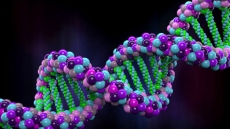
    British scientists have discovered more than 400 "blind spots" in DNA which could hide cancer-causing gene faults.
     
    The team from Cancer Research UK Manchester Institute found hidden faults in areas that are tricky for gene-reading technology to decode.
     
    This could be a step towards developing tests to spot cancers earlier or provide new tactics for discovering future cancer treatments.
     
    "By delving deeper into cancer's genetic origins we can spot the ways the disease is triggered and develops. This could help us to tackle it from the root, giving more cancer patients a chance at surviving the disease," said Nell Barrie, senior science information manager at Cancer Research UK.
     
    For the study, the team compared two giant gene databases made from cancer cells grown in labs and cross-checked all the genes that are known - or are likely to be known - to be involved in cancer to unearth the problem areas.
     
    They found that the 400 blind spots in the genes were hidden in very repetitive DNA areas which cause the gene-reading technology to stutter.
     
    This problem in reading the genes could conceal mistakes which might play a vital role in cancer.
     
    "The next step in our work will be to find a way to open up these areas to help piece together the full story," lead researcher Andrew Hudson added.
     
    The work was published in the journal Cancer Research.
    MORE Health ARTICLES

    Genes play key role in twins' language deficit

    Genes play key role in twins' language deficit
    Contrary to the popular tendency to attribute delays in early language acquisition of twins to mothers, researchers have found that genes play a significant role in...

    Genes play key role in twins' language deficit

    Scaling up HIV therapy can end this epidemic by 2030: UNAIDS

    Scaling up HIV therapy can end this epidemic by 2030: UNAIDS
    The opening session of the 20th International AIDS Conference (AIDS 2014) began here Sunday with tributes being paid to the six delegates who...

    Scaling up HIV therapy can end this epidemic by 2030: UNAIDS

    Gene behind benign breast tumours identified

    Gene behind benign breast tumours identified
    Researchers have identified a critical gene that could help clinicians distinguish fibroadenomas cases from breast cancer. Fibroadenomas is the most...

    Gene behind benign breast tumours identified

    Married and stressed? Have more sex

    Married and stressed? Have more sex
    Married but remain stressed owing to work or family-related issues? Have frequent sex to shun those unnecessary bouts of tension and lead a healthy life....

    Married and stressed? Have more sex

    Scientists discover new clues to brain's wiring

    Scientists discover new clues to brain's wiring
    In a step forward in learning how a developing brain is built, researchers have identified a group of proteins that programme a common type of brain nerve cell...

    Scientists discover new clues to brain's wiring

    New drug cures Hepatitis C in HIV patients

    New drug cures Hepatitis C in HIV patients
    In a ray of hope for patients infected with both HIV and Hepatitis C, researchers have found that a combination drug therapy cures chronic Hepatitis C in majority of such patients....

    New drug cures Hepatitis C in HIV patients