Wednesday, February 11, 2026
ADVT 
Health

Pathway between brain and blood pressure identified

Darpan News Desk IANS, 04 Oct, 2014 09:16 AM
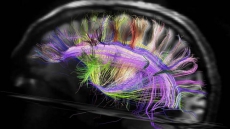
    In a finding that may lead to improved treatments for hypertension and heart failure, scientists have uncovered a new pathway through which the brain uses a little-known steroid to control blood pressure.
     
    "This research gives us an entirely new way of understanding how the brain and the cardio-vascular system work together," said co-principal author John Hamlyn, a professor of physiology at the University of Maryland' School of Medicine in the US.
     
    For decades, researchers have known that the brain controls the diameter of the arteries via the nervous system. The system is essential for daily life, but is often chronically over-active in patients with high blood pressure. In fact, many drugs that help with hypertension work by decreasing the activity of the nervous system.
     
    However, these drugs have serious side-effects, such as fatigue, dizziness, depression and erectile dysfunction. These drawbacks have led to the search for novel ways to inhibit the nervous system while causing fewer problems for patients.
     
    Working with an animal model of hyper-tension, a group of scientists found a new link between the brain and increased blood pressure, namely, a steroid called ouabain.
     
    This is the first such study to identify a particular pathway by which the brain regulates the diameter of the arteries via ouabain in the bloodstream and causes an increase in contractile proteins in the arteries.
     
    This new pathway works together with the nervous system pathway to control the function of arteries and thereby contributes to high blood pressure.
     
    So medications that block ouabain's effects might improve the lives of people with hyper-tension and heart failure.
     
    "Now that we understand the role of ouabain, we can begin working on how to modify this new pathway to help people with cardio-vascular problems," explained co-researcher Mordecai Blaustein, a professor of physiology and medicine at the University of Maryland' School of Medicine.
     
    The study appeared in the journal PLOS One.

    MORE Health ARTICLES

    Married and stressed? Have more sex

    Married and stressed? Have more sex
    Married but remain stressed owing to work or family-related issues? Have frequent sex to shun those unnecessary bouts of tension and lead a healthy life....

    Married and stressed? Have more sex

    Scientists discover new clues to brain's wiring

    Scientists discover new clues to brain's wiring
    In a step forward in learning how a developing brain is built, researchers have identified a group of proteins that programme a common type of brain nerve cell...

    Scientists discover new clues to brain's wiring

    New drug cures Hepatitis C in HIV patients

    New drug cures Hepatitis C in HIV patients
    In a ray of hope for patients infected with both HIV and Hepatitis C, researchers have found that a combination drug therapy cures chronic Hepatitis C in majority of such patients....

    New drug cures Hepatitis C in HIV patients

    How new dads' brains react to fatherhood

    How new dads' brains react to fatherhood
    Not just moms, a new dad's heart too pours for his or her toddler the moment he looks at him or her playing...

    How new dads' brains react to fatherhood

    Researchers make IVF safer for women

    Researchers make IVF safer for women
    Researchers could have just made IVF - an assisted fertilisation therapy - treatment safer for women after successfully using a new method to stimulate ovulation...

    Researchers make IVF safer for women

    Fish oil may save alcoholics from brain damage

    Fish oil may save alcoholics from brain damage
    Omega-3 fish oil could save the brain from alcohol-related damage and dementia by up to 90 percent, a new study says...

    Fish oil may save alcoholics from brain damage