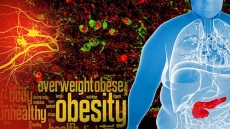
A sedentary lifestyle, bad food habits and obesity are some of the leading causes of Polycystic Ovary Syndrome (PCOS) among Indian teenagers, with an estimated 10-30 percent adolescent girls being affected by it, health experts say.
"There is a strong association of obesity and PCOS, especially when it happens around adolescence. The incidence of PCOS is rising and lifestyle changes, nutrition and dietary factors play a large role in this," Ranjana Sharma, senior consultant - gynaecology, Indraprastha Apollo Hospitals, told IANS.
Agreed Sandeep Chadha, executive consultant, obstetrics and gynecology, Jaypee Hospital, Noida, who said that hormonal imbalance is the major "culprit" in PCOS cases.
Among other reasons, he listed obesity, sudden weight gain and, in some cases, genetic conditions.
"In the past one decade, a sedentary lifestyle has taken the first place to create hormonal imbalance, and this leads to PCOS. If we look at urban India, approximately 15 percent young girls are falling to PCOS every year in India," Chadha told IANS.
PCOS leads to the formation of multiple cysts in the ovary and excessive production of androgens (male hormones) and also causes increased facial and body hair, menstrual irregularities and acne.
"Symptoms like weight gain, patches of the dark skin on the back of neck and other areas, irregular periods, unwanted hair growth and acne can lead to PCOS," Hrishikesh Pai, infertility expert at Mumbai's Lilavati Hospital, told IANS.
"However, not every individual develops PCOS if she has all of these symptoms. Different people have different symptoms with differing levels of severity," Pai said.
He added that the symptoms usually develop around late teens and early 20s, adding that teenagers suffering from PCOS can often develop depression or poor self esteem because of the effect of the other symptoms.
"It becomes challenging for some teenagers in future when they plan to have children," he said.
According to Shivani Sachdev Gour, director of SCI Healthcare, PCOS if untreated can lead to many other complications, including cancer.
"Type 2 diabetes due to insulin resistance, cholesterol and lipid abnormalities, increased risk of cardiovascular problems, abnormal uterine bleeding, infertility due to hormonal imbalance, depression and increased risk of uterine cancer due to exposure to unopposed estrogen are some of the harmful effects of untreated PCOS," Gour told IANS.
Chadha said that PCOS can be diagnosed by symptoms and signs, ultrasound and hormone analysis, adding that various hormone tablets are available if women do not wish to conceive.
"If she wishes conception then ovulation induction drugs along with weight reduction and insulin sensitizing agents are used," he said.
Gour added: "Weight loss in obese patients is the first line of treatment. It improves menstrual abnormalities, infertility. Adolescent girls should be counselled for lifestyle modification, they should be encouraged to take part in physical activities and should adopt healthy eating habits."
She added that medication to decrease insulin resistance and the presence of male pattern of hair is also given.
"Surgery is the alternative procedure for those who are resistant to medical management. Mechanical electrolysis and laser treatment are the options available for facial hair but only after the underlying cause is corrected," Gour explained.
Highlighting the role of parents and offering a word of advice to them, Sharma said: "They need to be made aware and informed that this condition is not limited to gynae but can affect the entire body as well. They need to understand two things: a) the right weight should be maintained and b) immediate medical advice (should be sought) as soon as the above symptoms are seen in a growing girl."