Thursday, December 18, 2025
ADVT 
Health

Recreational drug use linked to birth defects

Darpan News Desk IANS, 02 Nov, 2014 06:33 AM
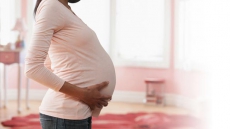
    Babies born to mothers who used recreational drugs during pregnancy are more likely to have birth defects in the brain, said a study.
     
    The study found no significant links between recreational drug use and any other type of birth defect.
     
    "Our findings suggest a link between brain birth defects and recreational drug use in expectant mothers," said the lead author of the study, Anna David from the University College London.
     
    The study included 213 women whose babies had a type of birth defect with potential links to recreational drug use, 143 women whose babies had a birth defect with no previously reported links to drug use and 161 women whose babies were normally formed.
     
    The researchers found that 77 (14.9 percent) of the women who agreed to take part tested positive for at least one type of recreational drug.
     
    Evidence of drug use was found in a significantly higher proportion of women whose babies were born with brain birth defects (35 percent), compared with women whose babies were normally formed (13 percent).
     
    Brain birth defects included brain anomalies other than spina bifida, such as brain cysts and under-development of the brain. These could have severe consequences and lead to lifelong conditions such as cerebral palsy.
     
    The researchers took hair samples from consenting mothers, which were then tested for evidence of recreational drug use.
     
    The results were published in the journal PLOS ONE.
    MORE Health ARTICLES

    Brains of depressed young adults 'hyper-connected'

    Brains of depressed young adults 'hyper-connected'
    Several regions of the brain in young adults who have a history of depression are "hyper-connected" -- or are talking to each other a little too much, new research finds....

    Brains of depressed young adults 'hyper-connected'

    Canada pulling 3 member lab team back from Sierra Leone over Ebola fears

    Canada pulling 3 member lab team back from Sierra Leone over Ebola fears
    Canada is bringing three scientists home from Kailahun, Sierra Leone, a post which the World Health Organization has temporarily closed to investigate the infection of an international medical responder working there.

    Canada pulling 3 member lab team back from Sierra Leone over Ebola fears

    More kids at risk of developing diabetes from womb, says study

    More kids at risk of developing diabetes from womb, says study
    New research shows that children exposed to gestational diabetes in the wombs are nearly six times more likely to develop diabetes or prediabetes than children...

    More kids at risk of developing diabetes from womb, says study

    Low-dose aspirin reduces blood clot risk

    Low-dose aspirin reduces blood clot risk
    Low-dose aspirin can help prevent new blood clots among people who are at risk and have already suffered a blood clot, says a promising study....

    Low-dose aspirin reduces blood clot risk

    Knee surgery not needed for mild osteoarthritis

    Knee surgery not needed for mild osteoarthritis
    Middle-aged and older patients with mild osteoarthritis of the knee may not benefit from the procedure of arthroscopic knee surgery, says new research....

    Knee surgery not needed for mild osteoarthritis

    Eye changes can predict dementia

    Eye changes can predict dementia
    A loss of cells in the retina is one of the earliest signs of a form of dementia in people with a genetic risk for the brain disorder - even before any changes appear....

    Eye changes can predict dementia