Friday, December 19, 2025
ADVT 
Health

Recreational drug use linked to birth defects

Darpan News Desk IANS, 02 Nov, 2014 06:33 AM
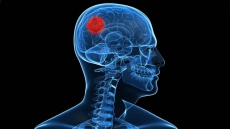
    Babies born to mothers who used recreational drugs during pregnancy are more likely to have birth defects in the brain, said a study.
     
    The study found no significant links between recreational drug use and any other type of birth defect.
     
    "Our findings suggest a link between brain birth defects and recreational drug use in expectant mothers," said the lead author of the study, Anna David from the University College London.
     
    The study included 213 women whose babies had a type of birth defect with potential links to recreational drug use, 143 women whose babies had a birth defect with no previously reported links to drug use and 161 women whose babies were normally formed.
     
    The researchers found that 77 (14.9 percent) of the women who agreed to take part tested positive for at least one type of recreational drug.
     
    Evidence of drug use was found in a significantly higher proportion of women whose babies were born with brain birth defects (35 percent), compared with women whose babies were normally formed (13 percent).
     
    Brain birth defects included brain anomalies other than spina bifida, such as brain cysts and under-development of the brain. These could have severe consequences and lead to lifelong conditions such as cerebral palsy.
     
    The researchers took hair samples from consenting mothers, which were then tested for evidence of recreational drug use.
     
    The results were published in the journal PLOS ONE.
    MORE Health ARTICLES

    Artificial anti-cancer molecules created in a jiffy

    Artificial anti-cancer molecules created in a jiffy
    In what could lead to new anti-cancer drugs, researchers have developed a new method to produce molecules that have a similar structure to peptides...

    Artificial anti-cancer molecules created in a jiffy

    Neuronal 'sweet spot' can curb obesity

    Neuronal 'sweet spot' can curb obesity
    Preventing weight gain, obesity and diabetes could be as simple as keeping a nuclear receptor from being activated in a small part of the brain, says a new study....

    Neuronal 'sweet spot' can curb obesity

    First molecular map to detect vision loss created

    First molecular map to detect vision loss created
    An Indian-origin researcher-led team has created the most detailed map to date of a region of the human eye, long associated with blinding diseases...

    First molecular map to detect vision loss created

    Revealed: Why brain tumours are more common in men

    Revealed: Why brain tumours are more common in men
    The absence of a protein known to reduce cancer risk can explain why brain tumours occur more often in males and are more harmful than similar tumours in females....

    Revealed: Why brain tumours are more common in men

    In-flight infants at greater death risk: Study

    In-flight infants at greater death risk: Study
    If we believe a shocking in-flight pattern revealed by researchers, lap infants are at greater risk of dying on board owing to bad sleeping arrangements....

    In-flight infants at greater death risk: Study

    Herbal anti-malaria drug may control asthma

    Herbal anti-malaria drug may control asthma
    According to researchers from National University of Singapore (NUS), the "artesunate" herbal drug can herald better treatment outcomes than other...

    Herbal anti-malaria drug may control asthma