Saturday, February 7, 2026
ADVT 
Health

Research offers hope for patients with cardiovascular disease

Darpan News Desk IANS, 04 Nov, 2014 10:05 AM
    A new research has shown a protein, which controls the growth of new blood vessels, could potentially reduce the effects of cardiovascular disease in patients' legs, including risks of leg ulcers, gangrene, and amputation.
     
    The new research, involving scientists from the University of Nottingham in Britain and Boston University in the US, has been published in the latest issue of a leading academic journal Nature Medicine, Xinhua reported.
     
    The study centered on the role signal protein vascular endothelial growth factor (VEGF) plays in peripheral arterial disease (PAD), which is one of the most common causes of leg amputation.
     
    The femoral artery becomes blocked by a build-up of fatty deposits leading to ischemia, or loss of blood flow. In the most serious cases, leg tissue begins to die because of gangrene, and the lower leg may need to be removed.
     
    The study found that patients with this disease did not produce the correct form of VEGF needed to stimulate new blood vessel growth in their leg, placing them at greater risk of losing the affected limb.
     
    According to experts, this research has revealed a possible new target for treating people with PAD, which could potentially be manipulated to help improve blood supply to an oxygen-starved limb, lowering the chances of amputation for people with this condition.
     
    The antibody could be used to treat patients with PAD over the course of several months until new blood vessels in their legs have been restored.
     
    The study also showed that administering an antibody of the wrong type of VEGF to obese and diabetic mice reduces the effects of cardiovascular disease. Researchers are now set to develop a similar antibody for use in humans. 

    MORE Health ARTICLES

    As A Bad Virus Reaches The Big City, Some Questions And Answers About Hazards From Ebola

    As A Bad Virus Reaches The Big City, Some Questions And Answers About Hazards From Ebola
    NEW YORK - Now that a doctor in New York has been diagnosed with Ebola, health officials are once again stressing that the virus poses little risk in the U.S.

    As A Bad Virus Reaches The Big City, Some Questions And Answers About Hazards From Ebola

    Ebola's Evolutionary Ancient Roots Discovered

    Ebola's Evolutionary Ancient Roots Discovered
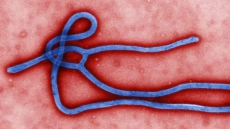
    A study discovered that filoviruses - a family to which Ebola and its similarly lethal relative Marburg belong - are at least 16-23 million years old.

    Ebola's Evolutionary Ancient Roots Discovered

    Dubai Selling Fun, Sun And Plastic Surgery To Wealthy Vacationers In New Medical Tourism Bid

    Dubai Selling Fun, Sun And Plastic Surgery To Wealthy Vacationers In New Medical Tourism Bid

    DUBAI, United Arab Emirates - Dubai, the emirate known for its celebration of over-the-top glamou...

    Dubai Selling Fun, Sun And Plastic Surgery To Wealthy Vacationers In New Medical Tourism Bid

    Let Kids With Asthma Keep Inhalers In School

    Let Kids With Asthma Keep Inhalers In School
    TORONTO - The mother of a 12-year-old boy who died after suffering a severe asthma attack at school wants all Ontario school boards to allow kids to carry their emergency inhalers with them.

    Let Kids With Asthma Keep Inhalers In School

    Without exit screening, 3 Ebola cases per month might fly out of West Africa

    Without exit screening, 3 Ebola cases per month might fly out of West Africa
    LONDON - A new study underscores the potential danger of airplane passengers infected with Ebola leaving West Africa: If there were no exit screening in place, researchers estimate that three people with the disease might fly out of the region each month.

    Without exit screening, 3 Ebola cases per month might fly out of West Africa

    'Heart attacks not connected to family history'

    'Heart attacks not connected to family history'
    Researchers have found that heart attacks are not as connected to family history and genetics as may have been previously believed....

    'Heart attacks not connected to family history'