Thursday, February 12, 2026
ADVT 
Health

Sex Does Not Hurt Your Back: Study

IANS, 19 Jun, 2015 11:36 AM
    Could sexual activity trigger lower back pain? No, says a new study that lays the greater blame on heavy lifting.
     
    Researchers at the George Institute for Global Health, Australia, interviewed around a thousand people about what they believed triggered their back pain to evaluate the accuracy of their perceptions of its cause.
     
    But contrary to popular opinion, sexual activity was not a major trigger, with only three people nominating it as the cause of their pain, Sydney Morning Herald reported.
     
    "They weren't afraid of talking about sexual activity but they really didn't identify sexual activity as being a possible cause of back pain and they were spot on," said senior researcher professor Manuela Ferreira.
     
    People who blamed an incident that had occurred weeks or months before they felt pain, those who could not remember and those who said they had just woken up with the pain were considered not to know what had triggered their pain.
     
    But about two-thirds of the respondents were able to identify a specific incident.
     
    Ferreira said people with lower back pain were most likely to nominate physical causes or those related to minor tasks, but they underestimated psychosocial causes of back pain, such as being tired or distracted.
     
    Previous research demonstrates that people are 25 times more likely to injure their backs when they are distracted during heavy lifting activity.
     
    The most common cause identified was carrying heavy loads, which was nominated by nearly one in five respondents, followed by moderate or physical activity and awkward posture.
     
    Two of the riskiest activities for back pain emerged as gardening and golf.
     
    The study was published in the journal Pain.
    MORE Health ARTICLES

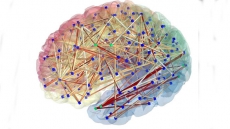
    Brains of depressed young adults 'hyper-connected'

    Brains of depressed young adults 'hyper-connected'
    Several regions of the brain in young adults who have a history of depression are "hyper-connected" -- or are talking to each other a little too much, new research finds....

    Brains of depressed young adults 'hyper-connected'

    Canada pulling 3 member lab team back from Sierra Leone over Ebola fears

    Canada pulling 3 member lab team back from Sierra Leone over Ebola fears
    Canada is bringing three scientists home from Kailahun, Sierra Leone, a post which the World Health Organization has temporarily closed to investigate the infection of an international medical responder working there.

    Canada pulling 3 member lab team back from Sierra Leone over Ebola fears

    More kids at risk of developing diabetes from womb, says study

    More kids at risk of developing diabetes from womb, says study
    New research shows that children exposed to gestational diabetes in the wombs are nearly six times more likely to develop diabetes or prediabetes than children...

    More kids at risk of developing diabetes from womb, says study

    Low-dose aspirin reduces blood clot risk

    Low-dose aspirin reduces blood clot risk
    Low-dose aspirin can help prevent new blood clots among people who are at risk and have already suffered a blood clot, says a promising study....

    Low-dose aspirin reduces blood clot risk

    Knee surgery not needed for mild osteoarthritis

    Knee surgery not needed for mild osteoarthritis
    Middle-aged and older patients with mild osteoarthritis of the knee may not benefit from the procedure of arthroscopic knee surgery, says new research....

    Knee surgery not needed for mild osteoarthritis

    Eye changes can predict dementia

    Eye changes can predict dementia
    A loss of cells in the retina is one of the earliest signs of a form of dementia in people with a genetic risk for the brain disorder - even before any changes appear....

    Eye changes can predict dementia