Wednesday, July 1, 2026
ADVT 
Health

Shaking Baby Could Be Deadly, Say Physicians

IANS, 22 Jul, 2016 12:43 PM
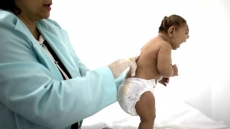
    Majority of physicians in the US accept that shaking a young child is capable of producing a life-threatening pooling of blood outside the brain, severe retinal haemorrhage, coma or death, according to a new survey
     
    "Our data show that shaking a young child is generally accepted by physicians to be a dangerous form of abuse," said study lead author Sandeep Narang from Ann & Robert H. Lurie Children's Hospital of Chicago in the US.
     
    The study was published in The Journal of Pediatrics.
     
    Recent media reports and judicial decisions have called into question the general acceptance among physicians of shaken baby syndrome and abusive head trauma. 
     
    General acceptance of concepts in the medical community is a critical factor for admitting medical expert testimony in courts. 
     
    In cases of child maltreatment, courts often rely on medical expert testimony to establish the most likely cause of a child's injuries.
     
    "Claims of substantial controversy within the medical community about shaken baby syndrome and abusive head trauma have created a chilling effect on child protection hearings and criminal prosecutions," Narang, who is also Associate Professor at Northwestern University Feinberg School of Medicine, noted.
     
    The study examined survey responses from 628 physicians frequently involved in evaluation of injured children at 10 leading children's hospitals in the US. 
     
    "Our study is the first to provide the much needed empiric confirmation that multidisciplinary physicians throughout the country overwhelmingly accept the validity of these diagnoses, and refutes the recent contention that there is this emerging 'groundswell' of physician opinion against the diagnoses," Narang said.

    MORE Health ARTICLES

    WHO: Sexual Transmission Of Zika More Common Than Thought

    WHO: Sexual Transmission Of Zika More Common Than Thought
    Sexual transmission of the Zika virus is more common than previously thought, the World Health Organization said Tuesday, citing reports from several countries.

    WHO: Sexual Transmission Of Zika More Common Than Thought

    New Guidelines Back CT Scans For Lung Cancer Screening In Longtime Smoke

    New Guidelines Back CT Scans For Lung Cancer Screening In Longtime Smoke
    The guidelines from the Canadian Task Force on Preventive Health Care apply to current smokers and those who have quit within the past 15 years with at least a so-called 30 pack-year history of smoking

    New Guidelines Back CT Scans For Lung Cancer Screening In Longtime Smoke

    U.K. Company's 'Period Policy' Ignites Discussion About Menstrual Leave

    U.K. Company's 'Period Policy' Ignites Discussion About Menstrual Leave
    Sick days are standard in most organizations, but a British company may soon allow its female employees leave to cope with a specific ailment: period pain.

    U.K. Company's 'Period Policy' Ignites Discussion About Menstrual Leave

    9 Factors Should Drive Federal Marijuana Moves, Ministers Told

    9 Factors Should Drive Federal Marijuana Moves, Ministers Told
    As the Liberal government began moving on its commitment to legalize marijuana, Health Canada flagged nine key considerations — from health risks and benefits to the experience of other jurisdictions, newly obtained documents show

    9 Factors Should Drive Federal Marijuana Moves, Ministers Told

    Evidence Of Zika's Risk To Pregnant Women Continues To Grow

    Evidence Of Zika's Risk To Pregnant Women Continues To Grow
     Researchers report that the Zika virus may be linked to a wider variety of "grave outcomes" for developing babies than previously reported — threats that can come at any stage of pregnancy.

    Evidence Of Zika's Risk To Pregnant Women Continues To Grow

    Peanuts For Babies? Studies Back Allergy-preventing Strategy

    Peanuts For Babies? Studies Back Allergy-preventing Strategy
    Two new studies bolster evidence that feeding babies peanuts or other allergy-inducing foods is more likely to protect them than to cause problems.

    Peanuts For Babies? Studies Back Allergy-preventing Strategy