Tuesday, December 16, 2025
ADVT 
Health

Sleep apnoea-caused brain damage can be reversed

Darpan News Desk Darpan, 09 Sep, 2014 08:45 AM
  • Sleep apnoea-caused brain damage can be reversed
Continuous positive airway pressure (CPAP) therapy can help reverse brain damage caused by severe sleep apnoea, says a study.
 
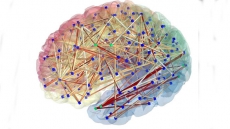
Untreated sleep apnoea may lead to a significant reduction in white matter fiber integrity in multiple brain areas and the brain damage can be accompanied by impairments to cognition, mood and daytime alertness.
 
"Structural neural injury of the brain of sleep apnoea patients is reversible with effective treatment," said lead author Vincenza Castronovo from the Vita-Salute San Raffaele University in Milano, Italy.
 
"Treatment with CPAP, if patients are adherent to therapy, is effective for normalising the brain structure," Castronovo added.
 
Sleep apnoea warning signs include snoring, choking, gasping or silent breathing pauses during sleep.
 
The study involved 17 men with severe, untreated sleep apnoea who had an average age of 43 years.
 
They were evaluated at baseline and after three and 12 months of treatment with CPAP therapy.
 
The researchers found that although three months of CPAP therapy produced only limited improvements to damaged brain structures, 12 months of CPAP therapy led to an almost complete reversal of white matter abnormalities.
 
Treatment also produced significant improvements in cognitive tests, mood, alertness and quality of life.
 
"Sleep apnoea is a destructive disease that can ruin your health and increase your risk of death," said Timothy Morgenthaler, president, American Academy of Sleep Medicine.
 
"Treatment of sleep apnoea can be life-changing and potentially life-saving," Morgenthaler added.
 
The study appeared in the journal Sleep.

MORE Health ARTICLES

Marijuana may treat Alzheimer's

Marijuana may treat Alzheimer's
Extremely low levels of a compound in marijuana called delta-9-tetrahydrocannabinol or THC may slow or halt the progression of Alzheimer's disease....

Marijuana may treat Alzheimer's

Eating tomatoes daily can reduce prostate cancer risk

Eating tomatoes daily can reduce prostate cancer risk
Men who eat tomatoes over ten portions a week have an 18 percent lower risk of developing prostate cancer, new research shows....

Eating tomatoes daily can reduce prostate cancer risk

Brains of depressed young adults 'hyper-connected'

Brains of depressed young adults 'hyper-connected'
Several regions of the brain in young adults who have a history of depression are "hyper-connected" -- or are talking to each other a little too much, new research finds....

Brains of depressed young adults 'hyper-connected'

Canada pulling 3 member lab team back from Sierra Leone over Ebola fears

Canada pulling 3 member lab team back from Sierra Leone over Ebola fears
Canada is bringing three scientists home from Kailahun, Sierra Leone, a post which the World Health Organization has temporarily closed to investigate the infection of an international medical responder working there.

Canada pulling 3 member lab team back from Sierra Leone over Ebola fears

More kids at risk of developing diabetes from womb, says study

More kids at risk of developing diabetes from womb, says study
New research shows that children exposed to gestational diabetes in the wombs are nearly six times more likely to develop diabetes or prediabetes than children...

More kids at risk of developing diabetes from womb, says study

Low-dose aspirin reduces blood clot risk

Low-dose aspirin reduces blood clot risk
Low-dose aspirin can help prevent new blood clots among people who are at risk and have already suffered a blood clot, says a promising study....

Low-dose aspirin reduces blood clot risk