Wednesday, February 11, 2026
ADVT 
Health

Sleep protein protects from cancer

Darpan News Desk IANS, 04 Dec, 2014 11:04 AM
    A new protein responsible for regulating the body's sleep cycle, or circadian rhythm, also protects the body from developing sporadic forms of cancers, new research has found.
     
    Thus, people who work round-the-clock, could in fact be setting themselves back.
     
    "The protein, known as human period 2, has impaired function in the cell when environmental factors, including sleep cycle disruption, are altered," said Carla Finkielstein from College of Science, Virginia Tech.
     
    The new human period 2 protein if unaltered directly interacts with tumour suppressor proteins in cells to control cell division.
     
    "When (human period 2 protein) is non-functional because it is either mutated or somehow modified, then, it is unable to do its job and prevent the cells from dividing at certain times of the day," said Tetsuya Gotoh, research scientist, College of Science, Virginia Tech.
     
    "This is particularly a problem in cases where tumour suppressor genes are mutated as it happens in over 80 percent of all cancer cases," said Gotoh.
     
    By studying human and animal tumour cells, the team found that repressing the human period 2 gene led to both abnormal circadian rhythmicity and a malignant transformation.
     
    Now, researchers are trying to find out if the malfunctioning of the protein and the gene that produces it leads to cancer.
     
    The results of these studies will help develop new, more effective prevention strategies for people at risk due to circadian disruption, such as women working in night shifts.
     
    "These findings highlight the complexity of the circadian-controlled network and emphasize its physiological relevance for human health and for new therapeutic interventions," said Finkielstein.
     
    The study appeared in the journal Molecular Biology of the Cell.

    MORE Health ARTICLES

    A novel way to spot dyslexia in kids

    A novel way to spot dyslexia in kids
    There could soon be a tool to spot kids at risk of developing reading difficulties before they experience the challenges as researchers have found that...

    A novel way to spot dyslexia in kids

    Ocean microbes a global source of key vitamin B12

    Ocean microbes a global source of key vitamin B12
    A group of micro-organisms may be responsible for much of the world's vitamin B12 production in the oceans, with implications for the global...

    Ocean microbes a global source of key vitamin B12

    Low sugar intake reduces tooth decay

    Low sugar intake reduces tooth decay
    Daily intake of sugar should make up no more than three percent of total energy intake and its reduction in consumption could lead to decrease...

    Low sugar intake reduces tooth decay

    A glass of milk daily good for your heart

    A glass of milk daily good for your heart
    Do you find drinking milk disgusting? Listen to your heart and change the habit. New research has found that drinking milk and consuming...

    A glass of milk daily good for your heart

    Bald men in 40s at higher risk of prostate cancer

    Bald men in 40s at higher risk of prostate cancer
    Compared to men with no baldness in their 40s, men with a specific pattern of baldness at age 45 have a 40 percent increased risk of...

    Bald men in 40s at higher risk of prostate cancer

    Eat chikoo to fight cancer

    Eat chikoo to fight cancer
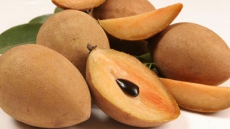
    The sweet and succulent chikoo or Sapota fruit, a popular ingredient for desserts, could well be the answer to halt cancer from spreading, according to a study by Indian scientists....

    Eat chikoo to fight cancer