Thursday, January 1, 2026
ADVT 
Health

Some coffee with your coffee? Dunkin' launching cereal line

Darpan News Desk The Canadian Press, 11 Aug, 2020 09:56 PM
  • Some coffee with your coffee? Dunkin' launching cereal line

As if 2020 wasn’t weird enough, Dunkin’ is getting into the cereal game.

The Massachusetts-based coffee and donuts empire is releasing two new breakfast cereals based on two of its most popular coffee drinks: Caramel Macchiato and Mocha Latte.

The team-up with Post Consumer Brands, the makers of Honey Bunches of Oats, Shredded Wheat, Raisin Bran and other familiar cereals, is expected to hit grocery shelves later this month.

The companies say Dunkin' coffee concentrate is added to the cereal, which consists of little crunchy spheres mixed with flavoured marshmallow bits. A serving has about as much caffeine as a tenth of an 8-ounce cup of coffee.

Reaction on social media has ranged from enthusiastic anticipation to horrified yet intrigued. Skeptics -- and there are many -- see another sign of the apocalypse while others see redemption for an otherwise dreadful year. “I love to pretend like I’m not a die hard New Englander but if I don’t get to try the Dunkin’ donut cereal, I will absolutely lose my mind,” said one Twitter user. Still others see a marketing opportunity missed.

A 10-year-old girl who recently taste-tested the cereals for The Boston Globe suggested: “They should make a doughnut flavoured cereal.” To be sure, the doughnut chain did try just that.

It launched a cereal line based on their popular glazed and chocolate donuts in the 1980s that didn’t exactly take off. But the company’s interest in trying to break into the market again is understandable: nearly 65% of American adults drink coffee every day and nearly 90% of U.S. households consume cereal, according to Dunkin’.

The cereal effort comes as Dunkin’s brick-and-mortar shops, like others nationwide, have taken a hit during the coronavirus pandemic. The company recently announced plans to close roughly 800 U.S. stores this year, or about 8% of its U.S. locations, as a result.

MORE Health ARTICLES

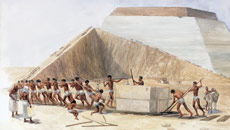
Know how Egyptians moved giant rocks to build pyramids

Know how Egyptians moved giant rocks to build pyramids
It is time to rewrite history books. The mystery of how Egyptians moved huge stones to build pyramids has been unlocked, finally.

Know how Egyptians moved giant rocks to build pyramids

Sick wives face high divorce risk: Study

Sick wives face high divorce risk: Study
The vows of togetherness often fall apart among couple when the wife - but not the husband - becomes seriously ill, a significant study has revealed.

Sick wives face high divorce risk: Study

This font would let your kid learn faster

This font would let your kid learn faster
This dyslexic-friendly font - derived from Comic Sans font - is shaped similarly to the way kids naturally write. 

This font would let your kid learn faster

Facebook's healthy 'move,' acquires fitness app

Facebook's healthy 'move,' acquires fitness app
Social networking site Facebook has acquired Helsinki-based fitness tracking app Moves in an undisclosed deal.

Facebook's healthy 'move,' acquires fitness app

Detailed suicide coverage driving teenagers to end life: Study

Detailed suicide coverage driving teenagers to end life: Study
The sensationalisation of suicide coverage in media may trigger vulnerable readers, especially teenagers, to commit suicide themselves, a study has indicated.

Detailed suicide coverage driving teenagers to end life: Study

Why westerners can't pronounce Sanskrit word 'Sri'

Why westerners can't pronounce Sanskrit word 'Sri'
Ever wondered why most Britishers could not pronounce the Sanskrit word 'sri' - a common Indian honorific for males - and instead settled for 'shri', a combination of sounds found in English words like shriek and shred?

Why westerners can't pronounce Sanskrit word 'Sri'