Wednesday, December 24, 2025
ADVT 
Health

'Technophobia' stops elderly from managing diabetes

Darpan News Desk IANS, 21 Dec, 2014 12:11 PM
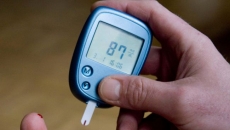
    Despite owning a smartphone or computer with daily internet access, only a small number of older adults actually use them as tools to better manage Type 2 diabetes, shows a study.
     
    "It may be that older adults are unaware of apps available, they had low confidence about using them regularly, or both," said lead author Kathleen Dobson from University of Waterloo in Canada.
     
    The researchers found that although more than 90 percent of research participants owned a computer or had daily internet access, just 18 percent used applications on this technology to help manage their diabetes.
     
    While almost half owned smartphones, only five percent used them to manage their disease.
     
    "There was a strong association between age and confidence and confidence about technology use really dropped off in the oldest age groups," said senior author Peter Hall, professor at University of Waterloo.
     
    "This drop in confidence was mirrored by a corresponding drop in intentions to use the technology in the near future," Hall said.
     
    In diabetes management, technology can provide platforms for glucose logs, dietary and physical activity journals and create opportunities for scheduled prompting or interventions.
     
    "Successful diabetes management improves quality of life, reduces risk of complications and generally extends life expectancy," Hall stressed.
     
    The study appeared in the Journal of Diabetes Science and Technology.

    MORE Health ARTICLES

    E-cigarettes may open addiction to marijuana, cocaine

    E-cigarettes may open addiction to marijuana, cocaine
    Assumed by many as a safe alternative to cigarette smoking, electronic cigarettes or e-cigarettes as they are popularly called may, in fact, promote use...

    E-cigarettes may open addiction to marijuana, cocaine

    Protein linked to heart attack identified

    Protein linked to heart attack identified
    A protein that increases levels of LDL (low-density lipoprotein) cholesterol, also referred to as "bad" cholesterol, in the bloodstream is associated with heart attacks, says a study....

    Protein linked to heart attack identified

    Mentally ill women face increased risk of sexual assault

    Mentally ill women face increased risk of sexual assault
    Despite public concern about violence being perpetrated by patients with mental illness, researchers have found that women with severe mental...

    Mentally ill women face increased risk of sexual assault

    Sex hormones linked to sudden cardiac arrest

    Sex hormones linked to sudden cardiac arrest
    In what could lead to prevention of sudden cardiac arrest, a study led by an Indian-origin cardiologist has found that levels of sex hormones in the blood are linked to the heart rhythm disorder....

    Sex hormones linked to sudden cardiac arrest

    Why obesity runs in families

    Why obesity runs in families
    That parental obesity affects the likelihood of children to over-eat and develop obesity is known, but researchers have now identified the genetic...

    Why obesity runs in families

    Watch your diet to reduce diabetes risk

    Watch your diet to reduce diabetes risk
    Losing weight may be good but not enough to prevent Type 2 diabetes as researchers have shown that you do not have to be overweight to have elevated levels of...

    Watch your diet to reduce diabetes risk