Wednesday, February 11, 2026
ADVT 
Health

Toddler's eye contact may signal autism risk

Darpan News Desk Darpan, 25 Jul, 2014 10:03 AM
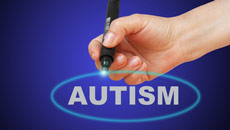
    Low levels of joint attention - the act of making eye contact with another person to share an experience - without a positive affective component (a smile) in the first year is linked to high risk of autism disorder, says a study.
     
    Early joint attention initiation without smiling - matter-of-fact looking at a person to communicate interest in a toy - was negatively associated with Autism Spectrum Disorder (ASD) symptoms, the findings showed.
     
    "The ability to coordinate attention with another person without a smile, without an emotional component, seems to be particularly important for high-risk siblings in the development of ASD symptoms," said Devon Gangi from University of Miami, US.
     
    "The detection of markers associated with autism early in life, before a child can be diagnosed with autism, is important to help identify children at the greatest need for early interventions," Gangi said.
     
    Some babies are at risk for autism because they have an older sibling that has the disorder.
     
    According to the study, the less joint attention without smiling at 8 months in a high-risk sibling, the more likely they were to have elevated ASD symptoms by 30 months.
     
    Less early initiating of joint attention without smiling is a particularly important skill for high-risk siblings, the study added.
     
    The researchers primarily predicted the children's symptom level. Symptoms vary in at-risk siblings, some of whom have an ASD outcome and some of whom do not. They did not look at whether the younger sibling eventually received an ASD diagnosis.
     
    The study appeared in the Journal of Autism and Developmental Disorders.
    MORE Health ARTICLES

    Autism risk higher among kids with parents in technical jobs

    Autism risk higher among kids with parents in technical jobs
    Children of parents who are in technical occupations are more likely to have an autism spectrum disorder (ASD) and a more serious form of autism, a study suggested.

    Autism risk higher among kids with parents in technical jobs

    Antarctic ice sheet collapse has begun, shows research

    Antarctic ice sheet collapse has begun, shows research
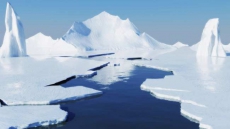
    In an alarming find, scientists have discovered that the collapse of West Antarctic ice sheet - that holds enough water to raise global seas by several feet - has already begun.

    Antarctic ice sheet collapse has begun, shows research

    Now, a virtual pet to help obese kids lose weight

    Now, a virtual pet to help obese kids lose weight
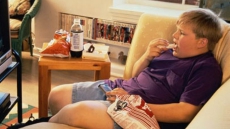
    If your kids are gaining weight because they spend more time indoor playing video games instead of playing outdoor, you may soon turn technology on its head - all thanks to a virtual pet designed to induce kids to physical activities.

    Now, a virtual pet to help obese kids lose weight

    Eldest among siblings? Check if you are more conservative

    Eldest among siblings? Check if you are more conservative
    If you are the eldest among all your siblings, chances are that you would be averse to change and prefer conformity than those who follow you in the family, a study said.

    Eldest among siblings? Check if you are more conservative

    State Goes Missing in Healthcare in India; 70 Percent is Private

    State Goes Missing in Healthcare in India; 70 Percent is Private
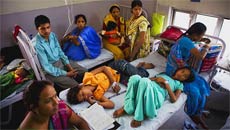
    More than 70 percent of healthcare in India is provided by corporate houses as a result of which poor people are not able to afford the high cost of medical care provided by private hospitals, health experts have said.

    State Goes Missing in Healthcare in India; 70 Percent is Private

    Canadians top drinkers, Indians not far behind: WHO

    Canadians top drinkers, Indians not far behind: WHO
    In a latest survey released by the WHO, Canadians are drinking more alcohol than most of the rest of the world - followed by Americans

    Canadians top drinkers, Indians not far behind: WHO