An experimental vaccine, developed by US researchers, has been shown to prevent urinary tract infections associated with catheters, the tubes used in hospitals and other care facilities to drain urine from a patient's bladder.
"Catheter-associated urinary tract infections are very common," said first author Ana Lidia Flores-Mireles from the Washington University School of Medicine in St. Louis.
"Antibiotic resistance is increasing rapidly in the bacteria that cause these infections, so developing new treatments is a priority," Flores-Mireles added.
Inserting catheters into the bladder provokes an inflammatory response that results in the catheter being covered with fibrinogen, a blood-clotting protein, the researchers showed.
The fibrinogen coating generally found in catheters shields bacteria from the antibiotics and provides bacteria with a landing pad to adhere to and food to consume as they establish an infection, the research revealed.
"The bacteria use long, thin hairs known as pili to anchor themselves to the fibrinogen and then they start to form biofilms, which are slimy coatings on the surface of the catheter composed of many bacteria," said co-author Michael Caparon Jr., professor at Washington University School of Medicine in St. Louis
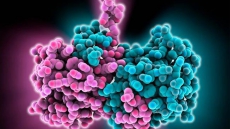
A protein on the end of the pili, EbpA, binds to fibrinogen and makes it possible for the bacteria to begin forming biofilms, the study showed.
When the researchers prevented the bacteria from making EbpA, they could not start infections.
The researchers then injected the mice with a vaccine containing EbpA. The vaccine caused the animal's immune systems to produce antibodies that blocked EbpA and stopped the infectious process.
Nearly every patient who has a catheter for more than 30 days acquires a urinary tract infection.
The infections make urination painful and can damage the bladder. If untreated, bacteria can cross into the bloodstream and cause sepsis, a potentially life-threatening complication.
The study appeared online in the journal Science Translational Medicine.