Thursday, December 25, 2025
ADVT 
Health

Vitamin D deficiency increases schizophrenia risk

Darpan News Desk IANS, 23 Jul, 2014 07:00 AM
    Individuals with Vitamin D deficiency are twice as likely to be diagnosed with schizophrenia as compared to those who have sufficient levels of the vitamin, says a study.
     
    The skin naturally produces this vitamin after exposure to sunlight.
     
    Schizophrenia is a mental disorder with symptoms that can include delusions and hallucinations.
     
    Since schizophrenia is more prevalent in high latitudes and cold climates, researchers have theorised Vitamin D may be connected to the disorder.
     
    "When we examined the findings of several observational studies on Vitamin D and schizophrenia, we found people with schizophrenia have lower Vitamin D levels than healthy people," said Ahmad Esmaillzadeh from Isfahan University of Medical Sciences in Isfahan, Iran.
     
    The researchers reviewed the findings of 19 observational studies that assessed the link between Vitamin D and schizophrenia.
     
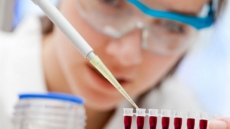
    When combined, the studies looked at Vitamin D levels and the mental health of 2,804 adult participants. The studies used blood tests to determine each participant's Vitamin D levels.
     
    People with Vitamin D deficiency were 2.16 times more likely to have schizophrenia than those with sufficient Vitamin D in their bloodstreams, the analysis showed.
     
    The very few foods in nature that contain Vitamin D include the flesh of fatty fish (such as salmon, tuna and mackerel) and fish liver oils. People also obtain smaller amounts of the vitamin through foods, such as milk fortified with Vitamin D.
     
    More than a billion people worldwide are estimated to have Vitamin D deficiency due to limited sun exposure.
     
    The study appeared in the Journal of Clinical Endocrinology & Metabolism.

    MORE Health ARTICLES

    Anti-depressants during pregnancy up obesity, diabetes risk in kids

    Anti-depressants during pregnancy up obesity, diabetes risk in kids
    Pregnant women are particularly vulnerable to depression, but women who take anti-depressants during pregnancy may be predisposing their infants to Type 2 diabetes and obesity later in life, says a study.

    Anti-depressants during pregnancy up obesity, diabetes risk in kids

    Simple blood tests can save hepatitis patients

    Simple blood tests can save hepatitis patients
    Blood tests can save more than 80 percent hepatitis C patients and over 60 percent hepatitis B patients when combined with proper prevention and treatment, say experts.

    Simple blood tests can save hepatitis patients

    Strong parental bonds make kids smart

    Strong parental bonds make kids smart
    Sharing a strong bond with your kids is vital for them to socialise, make friends and enjoy positive, close relationships with others, a study shows.

    Strong parental bonds make kids smart

    Natural beauty favoured by most but how natural is it?

    Natural beauty favoured by most but how natural is it?
    Almost three quarters of men say they find women more attractive when they wear less makeup; however what they think is the natural look is more likely to take hours of effort and plenty of special makeup tricks, says a research.

    Natural beauty favoured by most but how natural is it?

    Menthol cigarettes lure teenagers to smoke more: Study

    Menthol cigarettes lure teenagers to smoke more: Study
    Flavoured cigarettes appeal the youth and teenagers, who use menthol cigarettes, more per day than their peers who smoke non-menthols, says a study.

    Menthol cigarettes lure teenagers to smoke more: Study

    Tap brain's self-repairing mechanism to fight diseases

    Tap brain's self-repairing mechanism to fight diseases
    Forget drugs and neurogenesis, the self-repairing mechanism of the adult brain can help preserve brain function and can be targeted as a potential therapeutic intervention in neurodegenerative diseases such as Alzheimer's, Prion or Parkinson's, says a study.

    Tap brain's self-repairing mechanism to fight diseases