Saturday, March 28, 2026
ADVT 
Health

Why Do Dry Eye Cases Peak In April?

Darpan News Desk IANS, 24 Apr, 2015 10:54 AM
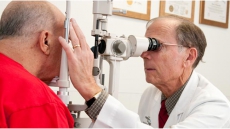
    Dry eye -- the culprit behind red, watery, gritty-feeling eyes -- strikes most often in spring due to a surge in airborne allergens, a study says.
     
    Dry eye cases reach a yearly peak in April, the study pointed out.
     
    "For the first time, we have found what appears to be a connection between spring allergens like pollen and dry eye, but also saw that cases rose in winter," said lead researcher Anat Galor, associate professor of clinical ophthalmology at the Bascom Palmer Eye Institute at the University of Miami.
     
    Dry eye can significantly impact a person's quality of life by inducing burning, irritation and blurred vision.
     
    The latest discovery that allergies and dry eye conditions are linked suggests dry eye sufferers may benefit from allergy prevention in addition to dry eye treatments like artificial tears.
     
    For instance, wearing goggles outside for yard work and using air filters indoors may stave off springtime dry eye, the researchers said.
     
    The researchers discovered the correlation between allergies and dry eye by reviewing 3.4 million visits to eye clinics nationwide over a five-year period between 2006 and 2011.
     
    During that time, doctors diagnosed nearly 607,000 patients with dry eye. Researchers also charted the monthly prevalence of dry eye compared to an allergy index over time and found seasonal correlations,
     
    A seasonal spike occurred each spring, when 18.5 percent of patients were diagnosed with dry eye. Another spike came in winter. Prevalence of dry eye was lowest in summer at 15.3 percent.
     
    April had the highest monthly prevalence of dry eye cases: 20.9 percent of patients seen were diagnosed with dry eye that month.
     
    The research team hypothesises that the winter rise in cases of dry eye may be due to low indoor humidity caused by people using heaters indoors without a humidifier to offset the dryness.
     
    The study was published online in the journal Ophthalmology.

    MORE Health ARTICLES

    Tweaking brain circuits may cure autism

    Tweaking brain circuits may cure autism
    In a ray of hope for people suffering from autism, researchers have discovered neuron populations in a region of the mouse brain that controls...

    Tweaking brain circuits may cure autism

    New method can detect epilepsy symptoms early in kids

    New method can detect epilepsy symptoms early in kids
    Using an electroencephalography (EEG) analytical method, a team of doctors and scientists in Taiwan has successfully developed a tool to detect..

    New method can detect epilepsy symptoms early in kids

    Vitamin B1 deficiency can damage your brain

    Vitamin B1 deficiency can damage your brain
    Include more vitamin B1-rich food in your diet as neurologists have underlined that deficiency of a single vitamin B1 (or thiamine) can cause a potentially...

    Vitamin B1 deficiency can damage your brain

    Cure for glaucoma in sight

    Cure for glaucoma in sight
    A cure is now in sight for the dangerous eye disease glaucoma, which is a leading cause of irreversible blindness, says a new study....

    Cure for glaucoma in sight

    Sleeping brain active even when you doze off

    Sleeping brain active even when you doze off
    Have you ever performed calculations or classified words before falling asleep and then experienced continuing those calculations during your snooze? Well, salute your wonder brain....

    Sleeping brain active even when you doze off

    Even Fluoride-rich Toothpaste Can't Kill Bacteria

    Even Fluoride-rich Toothpaste Can't Kill Bacteria
    Know why your toothpaste is not able to fight bad breath or tooth decay? Blame it on the bacteria itself.

    Even Fluoride-rich Toothpaste Can't Kill Bacteria