Thursday, February 12, 2026
ADVT 
Health

Why People Crave For Sugar-Rich Foods

IANS, 09 Dec, 2014 12:55 PM
    Researchers have discovered a mechanism that prompts people to seek food rich in glucose - the body's main energy source.
     
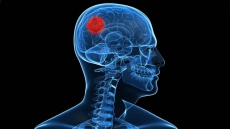
    An enzyme called glucokinase in the brain, involved in sensing glucose in the liver and pancreas, plays a key role in driving our desire for glucose, reserachers showed in their findings. 
     
    It might be possible to reduce cravings for glucose by altering one's diet, it suggested.
     
    "Our brains rely heavily on glucose for energy. So we have a deep-rooted preference for glucose-rich foods," said lead researcher James Gardiner from Imperial College London.
     
    The researchers discovered that when rats go for 24 hours without eating, the activity of glucokinase in an appetite-regulating centre of the brain increases sharply.
     
    The rats were given access to a glucose solution as well as their normal food pellets, called chow.
     
    When the researchers increased the activity of glucokinase in the hypothalamus using a virus, rats consumed more glucose in preference to chow. When glucokinase activity was decreased, they consumed less glucose.
     
    "This is the first time anyone has discovered a system in the brain that responds to a specific nutrient, rather than energy intake in general," Gardiner pointed out.
     
    It suggests that when you are thinking about diet, you have to think about different nutrients not just count calories, Gardiner added.
     
    The study appeared in the Journal of Clinical Investigation.

    MORE Health ARTICLES

    First molecular map to detect vision loss created

    First molecular map to detect vision loss created
    An Indian-origin researcher-led team has created the most detailed map to date of a region of the human eye, long associated with blinding diseases...

    First molecular map to detect vision loss created

    Revealed: Why brain tumours are more common in men

    Revealed: Why brain tumours are more common in men
    The absence of a protein known to reduce cancer risk can explain why brain tumours occur more often in males and are more harmful than similar tumours in females....

    Revealed: Why brain tumours are more common in men

    In-flight infants at greater death risk: Study

    In-flight infants at greater death risk: Study
    If we believe a shocking in-flight pattern revealed by researchers, lap infants are at greater risk of dying on board owing to bad sleeping arrangements....

    In-flight infants at greater death risk: Study

    Herbal anti-malaria drug may control asthma

    Herbal anti-malaria drug may control asthma
    According to researchers from National University of Singapore (NUS), the "artesunate" herbal drug can herald better treatment outcomes than other...

    Herbal anti-malaria drug may control asthma

    Probiotics crucial for super gut health

    Probiotics crucial for super gut health
    The bacteria that aid in digestion help keep the intestinal lining intact, scientists say, adding that daily probiotics hold the key to ward off inflammatory...

    Probiotics crucial for super gut health

    Watch your waistline for diabetes risk

    Watch your waistline for diabetes risk
    A British health report has warned that adults with a large waistline are five times more likely to develop type 2 diabetes....

    Watch your waistline for diabetes risk