A team of researchers, including one of Indian orgin, has found that Zika virus can live in the eyes and have identified genetic material from the virus in tears of mice.
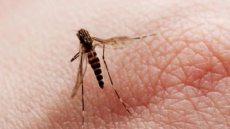
Zika virus, which is spread through mosquito bite, leads to brain damage and death in foetuses.
Nearly a third of all babies infected in utero with Zika also showed eye disease such as inflammation of the optic nerve, retinal damage or blindness after birth.
In most adults, Zika causes mild disease including conjunctivitis -- redness and itchiness of the eyes. However, in rare cases, it develops uveitis -- a condition that can lead to permanent vision loss, the study said.
To determine the effects of Zika on the eye, the team infected adult mice with mosquitoes under the skin -- similar to the way humans are infected by mosquitoes.
The researchers found live virus in the eyes of the mice, even after seven days of being infected with mosquitoes.

"Our study suggests that the eye could be a reservoir for Zika virus," said Michael S. Diamond, Professor at the Washington University.
The findings confirm that Zika is able to travel to the eye.
However, it is not yet known whether the virus typically makes that trip by crossing the blood-retina barrier that separates the eye from the bloodstream, travelling along the optic nerve that connects the brain and the eye, or some other route, the researchers stated.
Further, the infection in the eyes also raises the possibility that people could acquire Zika infection through contact with tears from infected people.
The tears of the infected mice showed Zika's RNA -- the genetic material from the virus. But, it did not show any traces of the infectious virus, when tested 28 days after infection, the authors said.
"Even though we didn't find live virus in mouse tears, that doesn't mean that it couldn't be infectious in humans," added Jonathan J. Miner, doctoral student at the Washington University.

"There could be a window of time when tears are highly infectious and people are coming in contact with it and able to spread it," Miner noted.
The eye is an immune privileged site, meaning the immune system is less active there, to avoid accidentally damaging sensitive tissues responsible for vision in the process of fighting infection. Consequently, infections sometimes persist in the eye after they have been cleared from the rest of the body, the study said.
The researchers now are planning complementary studies in human patients infected with the virus.
"We are planning studies in people to find out whether infectious virus persists in the cornea or other compartments of the eye, because that would have implications for corneal transplantation," explained Rajendra S. Apte, Professor at the Washington University.
Human tears potentially could be tested for viral RNA or antibodies, a less painful way to diagnose recent Zika infection than drawing blood and the mouse eye could be used to test anti-Zika drugs, the researchers concluded, in the paper published in the journal Cell Reports.