The GST rate cuts from 12 per cent to 5 per cent across textiles, handicrafts, footwear, metalware, food, dairy and bicycles come as a big boost to Punjab’s economy.
By lowering costs, these measures make products more affordable, boost domestic consumption, expand exports, and enhance competitiveness across key sectors, according to an official statement issued on Tuesday.
Importantly, the reforms strengthen livelihoods for thousands of artisans, farmers, and MSME workers, formalise supply chains, and preserve Punjab’s rich cultural and industrial heritage.
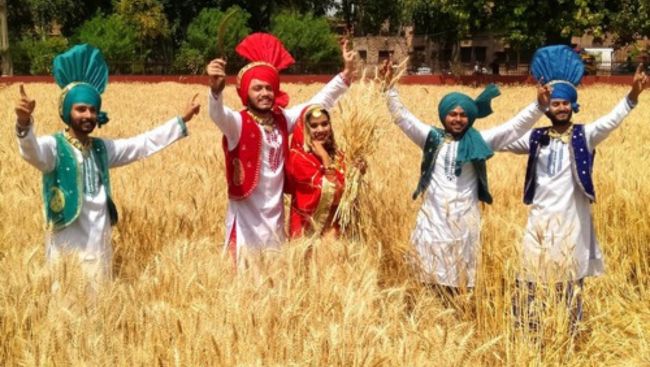
Punjab boasts a robust textile ecosystem, with the entire value chain present - from raw material availability to apparel production. The state is also an exporter of apparel, wherein products with GI-tagged phulkari embroidery in Amritsar and Patiala, woollen shawls & stoles, hand-block printed fabric across Malerkotla and Ludhiana, and women’s cotton kurtas provide livelihoods to countless artisans and appeal to diverse markets.
With GST on textiles reduced from 12 per cent to 5 per cent, Punjabi textiles have become more affordable and competitive across domestic and global markets. Further, this tax relief will lower costs, stimulate demand, boost sales, and strengthen exports, directly uplifting artisans and weavers who form the backbone of the industry.
The Punjabi Jutti, a traditional footwear, is crafted by skilled leather artisans and family-run units primarily in Patiala, Amritsar, and Fazilka. Employing around 15,000 workers across key clusters, the industry serves diverse markets- from ethnic fashion and wedding wear to souvenirs and designer brands. Boutique exports reach destinations like the UK and Canada, showcasing this craftsmanship globally. The GST reduction from 12 per cent to 5 per cent provides a significant boost to this sector.
Punjab is also known for its handicrafts and wooden products, which are acclaimed worldwide. These products now benefit from the GST rate cut to 5 per cent. In Hoshiarpur and Patiala, traditional carpenters and artisan families craft exquisite handcrafted wooden products, employing around 8,000 craftsmen.
In Amritsar, small-scale artisans, many of them women, craft traditional wooden lacquer toys, employing around 3,000 skilled workers. These toys cater to ethnic toy markets, handicraft fairs, exhibitions, and toy stores, with potential in niche handcrafted toy exports, which will become more competitive with the GST rate cut.
Punjab is famous for the traditional techniques of manufacturing brass and copper utensils. Additionally, the state also has a steel kitchen utensil industry. Most of the metalware and utensils industry has witnessed a GST rate reduction from 12 per cent to 5 per cent, which supports competitiveness and helps metal artisan clusters.
Jalandhar and Ludhiana host a thriving cluster of MSMEs that manufacture stainless steel wares for households, commercial kitchens, retail outlets, and online platforms. Employing over 25,000 workers, the industry also contributes to exports of small appliances, making it an essential part of Punjab’s industrial base. The GST reduction from 12 per cent to 5 per cent has provided strong relief to the sector. Lower input and output taxes ease the cost burden on manufacturers, improving overall competitiveness.
Punjab is a key producer of many agro and food commodities in India. Major commodities include milk, butter, ghee, curd, cheese, UHT milk, infant food, dairy whitener and chocolate. With the GST rate reduced from 12 per cent to 5 per cent on several food and agro products, local and small-scale producers benefit from lower production costs, improved profit margins, and enhanced competitiveness in both domestic and niche export markets.
This tax relief encourages greater production, supports livelihoods, and strengthens the state economy, ensuring that traditional products like papad and wadi continue to thrive while sustaining rural employment. A wide range of pickles and preserves for specialty food outlets, honey, and honey products will also benefit.
Similarly, the GST rate cut will give a fillip across Punjab’s dairy belts. Rural producers and milk cooperatives are central to paneer (cottage cheese) production, employing over 40,000 people in milk processing. Paneer is a staple for households, sweet shops, food processors, and the HoReCa(Hotel, Restaurant, and Cafe/Catering) industry, while exports, though limited, are rising in frozen form.
Ludhiana and Amritsar are major centres for dairy-based mithai, produced largely by family-run sweet shops, often involving women. The sector employs over 10,000 workers and caters to festivals, weddings, gifting markets, tourism, and bulk buyers such as sweet brands, airlines, and retailers. Growing demand also comes from diaspora gift packs, giving the industry both domestic and international traction.
The reduction in GST from 12 per cent to 5 per cent will also rev up Punjab’s bicycle manufacturing, centred in Ludhiana, with both large-scale factories and small MSME units producing them. The industry employs over 40,000 people directly and indirectly, serving the national demand for school and utility bicycles. Key buyers include school schemes and mobility start-ups. Export opportunities are spread across South Asia and Africa.