Diwali may be known as the festival of lights, but its meaning is as diverse as India itself. Beyond the sparkle of diyas and the burst of crackers, every region weaves its own tale into the celebration.
Here’s a journey through how different parts of the country celebrate the festival, each adding its own color, sound, and soul to the season of lights.
Punjab: Bandi Chhor Diwas
In Punjab, Diwali is strongly linked with Sikh history. The day coincides with Bandi Chhor Diwas, or the 'Day of Liberation'. According to Sikh tradition, Guru Hargobind Sahib, the sixth Guru, was released from captivity by Emperor Jahangir in 1619. The Guru, however, refused to leave unless 52 other imprisoned kings were freed with him. A special robe with 52 tassels was made so each ruler could hold onto one as they walked out together. For Sikhs, the day is less about fireworks and more about freedom and justice. The Harmandir Sahib in Amritsar is illuminated with thousands of lamps and a stunning display of lights, drawing devotees from around the world. The significance of Bandi Chhor Diwas lies not just in political liberation but also in spiritual freedom from ignorance and oppression.
West Bengal: Kali Pujo
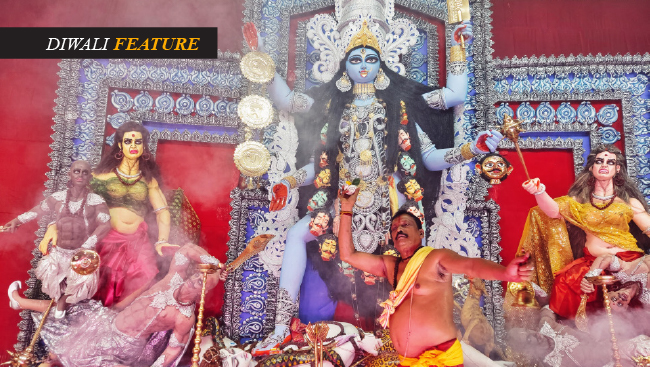
In West Bengal, Assam, and Odisha, the festival of Kali Pujo, dedicated to the goddess Kali, a fierce form of Adi Parashakti, coincides with Diwali. Unlike the North Indian focus on Lord Rama, Bengalis worship Kali as the destroyer of evil and protector of the good. Hindu Puranas state that when demons threatened the balance of the world, Kali emerged in a terrifying form to annihilate them. On Kali Pujo, households and community pandals build altars adorned with red hibiscus flowers and food offerings. The rituals often include animal sacrifices, reflecting Hinduism's tantric traditions, and Sanskrit mantras. Recitation of the popular 'Shyam Sangeet' dedicated to the Goddess Kali is also observed across the region.
South India: Naraka Chaturdashi and other traditions
In southern states, Diwali traditions differ from the northern narrative of Rama’s return. Here, the festival often begins a day earlier with Naraka Chaturdashi. According to the Hindu itihasa, Lord Krishna, with the help of his consort Satyabhama, killed the demon king Narakasura, who had terrorized the heavens and the earth. His defeat symbolized the victory of divine justice over tyranny. In Tamil Nadu, Diwali is celebrated by taking an early oil bath before sunrise, believed to cleanse the body of sins. This is called 'Ganga Snanam' or 'Abhyanga Snanam'. In Karnataka and Andhra Pradesh, too, Naraka Chaturdashi is the highlight of the celebrations. Interestingly, in Kerala, Diwali is observed on a smaller scale while Onam remains the most popular festival.
Gujarat: Lakshmi Puja and the New Year
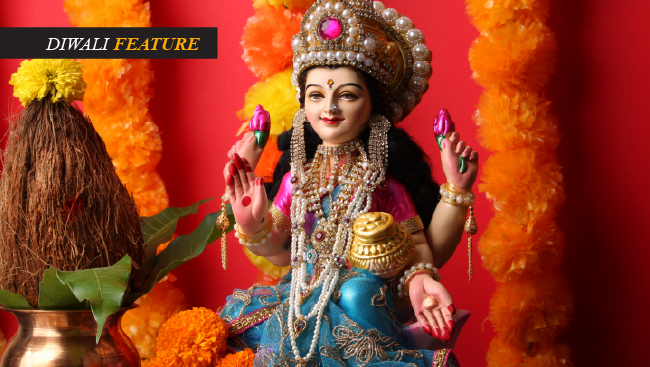
In Gujarat, Diwali is closely tied to Lakshmi Puja and the Gujarati New Year. Diwali is considered the most auspicious time for business and trade. The tradition revolves around inviting Goddess Lakshmi, the deity of wealth and prosperity, into homes and shops. Traders perform Chopda Pujan, which precedes the start of the new accounting year. 'Chopda' in Gujarati means ledger book. The Gujarati community also marks Bestu Varas, or the New Year, on the day after Diwali. Decorating homes with rangolis, wearing new clothes, bursting crackers, and lighting of diyas signify the new year.
Jainism: Mahavira's Enlightenment
For India's Jain community, too, Diwali is a significant religious occasion. Jainism marks the 'nirvana' of Mahavira, the 24th and the last Tirthankara. Jainism emphasizes non-violence or 'ahimsa'. Hence, many observant Jains avoid bursting crackers and instead celebrate Diwali by visiting temples and reciting prayers. Members of the Shwetambar sect also observe a fast during this period. Like Gujarati Hindus, Jains celebrate their new year the day after Diwali. Jains, a predominantly trading community, begin their accounting year from this day.