Chandigarh, March 30 (IANS) After the assurance by Punjab Revenue Minister Bram Shanker Jimpa, revenue employees on Wednesday called off their statewide strike and assured the minister to resume their work.
At a meeting with the Punjab Revenue Officers Association here, the minister assured representatives of the association that all their demands will be considered sympathetically, while asking them to immediately join their offices in larger public interest.
Jimpa said the state government has been committed for the welfare of the employees and their demands will be taken up with the Chief Minister to resolve them.
The employees went on strike to protest against keeping a naib tehsildar and a few patwaris in captivity in Lambi sub-tehsil office for nearly eight hours by farmers belonging to the Bharti Kisan Union Ekta Ugrahan.
In a bonanza to the people of Punjab ahead of Diwali, the Punjab Cabinet on Monday decided to reduce the power tariff to domestic sector consumers having connected load up to 7 KW by Rs 3 per unit.
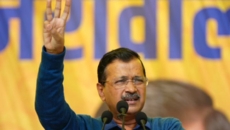
The Congress is offering 40 per cent reservation in tickets to women in the Uttar Pradesh assembly polls, because the party knows that it would not come to power in the politically crucial state anyway, Delhi Chief Minister and AAP national convener Arvind Kejriwal said here on Monday.
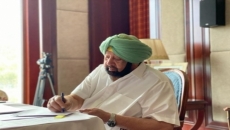
The Congress is closely watching former Punjab Chief Minister Amarinder Singh's moves and the leaders who have close ties with him. The state unit has been tasked to placate such leaders or arrange a meeting with the high command.
Authorities are worried that the rise of Taliban in Afghanistan may have had a role in the emergence of India as the newest hub not just for consumption but also for trafficking of a variety of drugs.
In a big relief to commuters, the Delhi Police have started removing barricades along the Tikri and Ghazipur borders, 11 months after these were installed to stop the farmers from Haryana and Uttar Pradesh entering the national capital.
Aam Aadmi Party (AAP) national convener and Delhi Chief Minister Arvind Kejriwal lashed out at the corruption, crime and mafia rule in Punjab on Friday. He announced that if his party forms the government in 2022, Punjab will be freed from criminals, the corrupt and inspector raj.