'Shots fired aimed at head level; attackers used hand signals to communicate'
Darpan News Desk IANS, 26 Nov, 2021 12:36 PM
New Delhi, Nov 26 (IANS) Hearings in the US Senate in 2009 on the lessons learnt from the 26/11 Mumbai attacks remarked that the attackers appeared to know their targets better than the responding commandos.
The Senate hearings, which had inputs from intelligence officials, FBI and NYPD, in detail discussed the modus operandi of the attacks and the preparations made by the terrorists.
In Mumbai, the attackers displayed a sophisticated level of training, coordination and stamina.
"They fired in controlled, disciplined bursts. When our liaisons toured the hotels and railway stations, they saw bullet holes that showed shots were fired in groups of three aimed at head level," US officials had said during the hearings.
"With less-experienced shooters, you would see bullet holes in the ceiling and floor. This group had, we believe, extensive practice, and the number of casualties show it. Ten terrorists managed to kill or injure almost 500 people," the officials testified.
"They were experienced in working together as a unit. For example, they used hand signals to communicate across loud and crowded spaces," they added.
And they were sufficiently disciplined to continue their attack over many hours. This had the effect of increasing the public's fear and keeping the incident in the news cycle for a longer period of time, the officials testified.
"These are a few of the differences from what we have seen before. Consistent with previous attacks around the world were some of the features of the target city. The country's financial capital, a densely-populated, multicultural metropolis, and a hub for the media and entertainment industries. Obviously, these are also descriptions of New York City," the officials said.
The US law enforcement agencies also sent teams to Mumbai.
"That morning, we convened a special meeting with the members of the NYPD Strategic Home Intervention and Early Leadership Development (SHIELD) programme. This is an alliance between the police department and about 3,000 private security managers based in the New York area," the officials had said.
"We had the leader of our team in Mumbai call in and speak directly to the audience. We posted photographs and maps to help them visualise the locations," the officials said.
During the hearings, the officials said that Indian authorities had arrested a Lashkar-e-Taiba operative in February 2008. He carried with him information suggesting that Mumbai landmarks, including the Taj Mahal Hotel, had been targeted for surveillance, possibly meaning future terrorist operations.
"We cannot say whether the plans had been delayed because of something the Indian government had done or whether the plotters were just not ready until November, but it does remind us that plots can lay dormant for a long time and then appear at the time of the plotter's choosing," the officials remarked.
The arrest of DSP Davinder Singh with Hizbul Mujahideen terrorists rocked the nation a few months back. DSP Davinder Singh, the once decorated police officer who fell from grace after his arrest has now been granted bail by a Delhi Court since the investigating agency failed to file charge-sheet within 90 days.
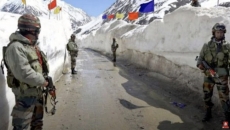
10 Indian soldiers have been released after three rounds of talks and intense negotiations through diplomatic and military channels. The Indian soldiers were detained by the Chinese side during the violent brawl of June 15 in Galwan Valley.
The worst clash in decades saw 20 Indian soldiers killed in the India China border conflict. Darpan brings you some of the latest developments in this ongoing story.
According to Indian officials, at least 20 Indian soldiers were killed in a clash with Chinese forces in a disputed Himalayan border area. The incident follows rising tensions, and is the first deadly clash in the border area in at least over 4 decades. The Indian army initially said three of its soldiers had been killed, adding that both sides suffered casualties.