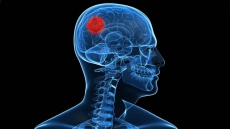
Can having a few drinks help people with clinical depression feel better and behave normally?
Yes, at least in terms of biochemistry. Researchers have found that alcohol produces the same neural and molecular changes as drugs that have proven to be rapidly effective anti-depressants.
"Because of the high comorbidity between major depressive disorder and alcoholism, there is the widely recognised self-medication hypothesis, suggesting that depressed individuals may turn to drinking as a means to treat their depression," said principal investigator Kimberly Raab-Graham, associate professor of physiology and pharmacology at Wake Forest School of Medicine, part of Wake Forest Baptist Medical Center.
"We now have biochemical and behavioural data to support that hypothesis," he noted, adding that this, however, does not suggest that alcohol can be regarded as an effective treatment for depression.
"There's definitely a danger in self-medicating with alcohol. There's a very fine line between it being helpful and harmful, and at some point during repeated use self-medication turns into addiction," Raab-Graham pointed out in a paper published in the journal Nature Communications.
In the study using an animal model, Raab-Graham and her colleagues found that a single dose of an intoxicating level of alcohol worked in conjunction with an autism-related protein to transform neurotransmitter GABA from an inhibitor to a stimulator of neural activity.

In addition, the team found that these biochemical changes resulted in non-depressive behaviour, lasting at least 24 hours.
GABA is the most potent depressive neurotransmitter in the human brain. It regulates many of the depressive and sedative actions in brain tissue and is critical for relaxation.
The study demonstrated that alcohol followed the same biochemical pathway as rapid anti-depressants in the animals, while producing behavioural effects comparable to those observed in people.
"Additional research is needed in this area but our findings do provide a biological basis for the natural human instinct to self-medicate," Raab-Graham said.
They also define a molecular mechanism that may be a critical contributor to the comorbidity that occurs with alcohol use disorder and major depressive disorder, the authors noted.