Can you imagine an 11-year-old picking up a beer bottle? Scientists have now found that one in seven 11-year-olds in Britain has drunk more than a "few sips of alcohol" at least once -- nearly 14 percent.
According to researchers, it is not possible to make statements regarding cause and effect with this sort of study, but the numbers do show a strong association between 11 year olds drinking and their friends' and mothers' behaviour.
"Drinking in adolescence is considered a 'risky' behaviour, it often co-occurs with other 'risky' behaviours and it is linked to educational failure and to premature mortality, for example via accidental deaths," said lead study author Yvonne Kelly from the University College London.
"Improving our understanding of the factors that influence drinking is important as it has implications for the development of policies and interventions aimed at reducing 'risky' behaviours," Kelly added in the paper published in the journal BMC Public Health.
The team claims this study to be the first of a kind to examine drinking behaviours in early adolescence in relation to a wide range of factors that are linked to alcohol consumption in children.

To assess factors that may influence drinking in this age group, the researchers analysed data from 10,498 children aged 11.
The data was collected from cohort members at five time points between nine months and 11 years of age. Interview data, collected during home visits, was available for 69 percent of families when cohort members were aged 11.
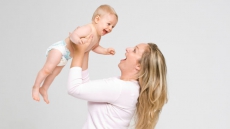
The findings showed, children whose mothers drank heavily were 80 percent more likely to drink than children whose mothers did not drink and boys were more likely to report drinking than girls.
Children whose friends drank were five times more likely to drink than those whose friends did not drink.
It was also found that friends' drinking had a stronger association with children's alcohol consumption than parents' drinking.
"Our findings support the need for interventions working at multiple levels, including family and school, to help shape choices around risky behaviours including drinking," Kelly added.