What happens to your brain on junk food?

Every night, you make a resolution. Starting tomorrow, I will eat healthy. I will resist the temptation of junk food. Tomorrow is the day I start treating my body right. Come morning, you might start strong and have a bowl of fruits. However, the adrenaline wears off as you find yourself enjoying a bowl of French fries with your favorite soda once the afternoon settles in. The struggle is real.
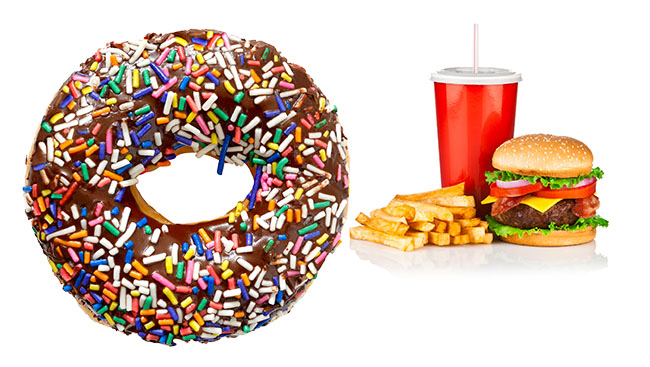
Junk food is just so easy to cave into. You are not alone in falling prey to the enticing smell, taste and aura of your favorite treat.
In fact, there is a science behind it. Often defined as foods that provide low or no nutritional value to your body, junk foods are known to have a direct impact on the way your brain functions. For this reason, understanding what exactly happens to your brain on junk food can help you combat the cravings and start taking steps towards a heathier lifestyle.

Sukhy Mahal, Registered Professional Counsellor of Surrey Weight loss Clinic, shares, “Junk food gives a feeling of pleasure as it releases dopamine. This leaves a person feeling temporarily satisfied. When this feeling wears off, we look for it again and have created a vicious cycle.” Eating junk food activates the reward system in our brain and releases the neurotransmitter, dopamine, which is a "feel good" chemical.
For this reason, junk food may almost seem to have addictive qualities. Junk food is usually high in ingredients that are not necessarily the best for our body in copious amounts – salt, sugar, and fat. To top it off, junk food is readily available and is often cheaper to purchase than healthier options. Despite the high-calorie count, it is simply hard to resist. Having a couple of chips or tasting one spoon of ice cream often leaves us longing for more. Psychology Student, Linda Magyari, elaborates further, “Eventually our brains become accustomed to a specific level of dopamine and we may begin to eat more junk food to experience more pleasurable feelings. This how an addiction can occur.”

Although this may make it seem impossible to escape the alluring technicalities of junk food, Registered Dietician, Whitney Hussain, offers insight. “Treats can have impacts on our stress levels by decreasing our cortisol levels, the stress hormones. Treat foods are not necessarily ‘addicting’, but rather make us feel good, especially during times of stress. Working on ways to decrease our stress levels are important, including focusing on non-food related activities like exercise, reading, or spending time with
loved ones.”
Deductively, it seems that slowly beginning to replace junk food with other activities that naturally release dopamine, may be a good strategy. Depending on each person, these activities can range along a variety of spectrums, including exercise, meditation, listening to music, sleeping, getting a massage, listening to music, spending time in nature, and watching a movie.
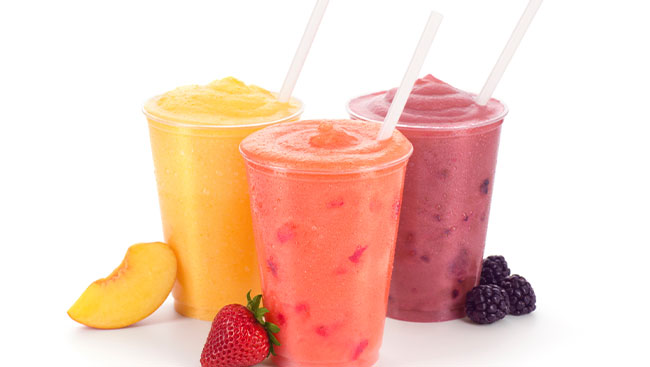
To truly stir change in your diet, the key lies in first determining the reason you are eating junk food. Hussain often asks her clients questions like, “Is it stress? Are you mindlessly eating with distractions? Is it part of your routine? Are you missing out on certain nutrients? Are you just not eating enough throughout the day?”
After answering these questions, it is then vital to create a goal, which may be a certain size, weight, or the way you feel about yourself. If feeling overwhelmed in the beginning towards what your game plan should be, or if you are just looking for accountability, you can also outsource support from an app, a friend, or a dietician. Using such tools to aid your lifestyle changes can be a catalyst in working on the mindset shift that is much needed when decreasing intake of junk food.

Mahal describes a winning approach to thinking about food intake, “Our bodies are like a relationship: you get back what you put into it. You cannot out-exercise a bad diet; most people think that they can eat whatever they want and then work out. This is not the case. Abs are made in the kitchen and 90% of our results – good or bad – are based on diet.” Information is power. Now that you are well-versed with how junk food has just the right tricks to entice your brain into habitual consumption, take back the control and keep the junk where it belongs!