Diwali is centered on a very fundamental concept of the victory of good over evil.
Diwali, annually falling between mid-October to mid-November, is celebrated in many ways and by millions of people from all walks of life. It has its roots in drastically broad cultural and religious values. Diwali is one of the most prominent holidays in Hinduism. It relates to the Hindu epic, Ramayana, which centers around Prince Rama, the avatar of Vishnu.

Diwali celebrates the day of the return of the beloved Prince Rama from a 14-year exile, after the defeat of the demon king Ravana. The people of Ayodhya lit up the streets with lamps and fireworks, welcoming their prince home. The day is also associated with Lakshmi, the wife of Vishnu and the goddess of wealth and prosperity. Several customs such as cleansing of the home, Lakshmi puja, and setting up plates of sweets for the goddess are often followed.
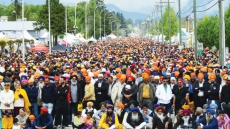
Hindus of eastern India may associate the day with the goddess Durga, while others in northern India, might associate it with Krishna, both of whom symbolize the victory of good over evil. Diwali, or more commonly called Bandi Chhor Divas in Sikhism, is celebrated for similar circumstances as Diwali for Hinduism. The day marks the release of the sixth guru, Guru Hargobind Ji, from the Gwalior Fort prison, along with 52 other newly freed kings, by the Mughal emperor Jahangir. However, what many may not know is that the importance of Diwali for Sikhism actually goes further back.

The third guru, Guru Amar Das Ji, had built a well in Goindwal with 84 steps, a famous place of pilgrimage even now, and invited Sikhs to bathe there on Vaisakhi and Diwali. Moreover, Diwali also relates to two other key events in Sikh history; it is the day of the founding of the city of Amritsar, and Bhai Mani Singh’s martyrdom was brought on by a failure to pay a fine imposed in 1738 for celebrating Diwali, and his refusal to convert to Islam.
Sikhism and Hinduism host perhaps the more prominent and well-known forms of celebration associated with Diwali. However, both Buddhism and Jainism also have unique customs and histories linked to Diwali. The festival is not as widely celebrated in Buddhism as the aforementioned, except perhaps in Nepal and Newar. Several deities in the Vajrayana Buddhism are worshipped and Lakshmi is also offered prayers.
In Jainism, Diwali is observed for ‘Mahavira Nirvana Divas’, in remembrance of the physical death of Mahavira. There are some similar practices to Hinduism in which the customs include the lighting of deva and praying to Lakshmi. The focus, however, remains on Mahavira. According to Jainism, the tradition of the lighting of the lamps began at the passing of Mahavira. The 18 kings who had gathered started the practice in remembrance.

Diwali has another, more westernized definition as well; The Festival of Lights, which aptly captures the hope and goodwill attached to the many interpretations. Additionally, despite these different interpretations, Diwali is centered on a very fundamental concept of the victory of good over evil. There is a common theme of righteousness and of overcoming the darkness in whatever form it might take in our lives. Diwali helps remind those who celebrate it, that despite their differences, they share a respect for a strong moral code, that resonates across cultures.