DUBAI, United Arab Emirates — Millions of Muslims around the world on Monday marked the start of Ramadan, a month of intense prayer, dawn-to-dusk fasting and nightly feasts.
Others will begin fasting a day later, Tuesday, due to a moon-sighting methodology that can lead to different countries declaring the start of Ramadan a day or two apart.
Here are some questions and answers about Islam's holiest month:
WHY DO MUSLIMS FAST?
The fast is intended to bring the faithful closer to God and to remind them of the suffering of those less fortunate.
As with fasting in other religious traditions, it's seen as a way to physically and spiritually purify oneself. Muslims often donate to charities and feed the hungry during Ramadan. Many spend more time at mosques and use their downtime to recite the Qur’an.
London's new Muslim mayor, Sadiq Khan, wrote in the Guardian that he plans to use Ramadan to "build bridges" and break bread with Muslims and non-Muslims at synagogues, churches and mosques, though he acknowledged that 19-hour fasts during the longer summer days in Europe and forgoing coffee will be challenging.
Fasting during Ramadan is one of the five pillars of Islam, along with the Muslim declaration of faith, daily prayer, charity, and performing the hajj pilgrimage in Mecca.

HOW DO MUSLIMS FAST?
Observant Muslims abstain from eating and drinking from dawn to dusk for the entire month of Ramadan. A single sip of water or a puff of a cigarette is enough to invalidate the fast.
However, Muslim scholars say it's not enough to just avoid food and drinks during the day. Muslims are encouraged to avoid gossip and arguments. Sexual intercourse is also forbidden during the daytime fast.
Just before the fast, Muslims have a pre-dawn meal of power foods to get them through the day, the "suhoor." Egyptians eat mashed fava beans spiced with cumin and olive oil, while in Lebanon and Syria, popular suhoor food is flatbread with thyme, cheese or yogurt. In Afghanistan, people eat dates and dumplings stuffed with potato and leeks.
In the northernmost parts of Europe, where the sun does not set or rise for many weeks in peak summer, Muslims observe Ramadan according to the daylight hours of Mecca in Saudi Arabia, or nearby Muslim countries.

HOW DO MUSLIMS BREAK THEIR FAST?
Muslims traditionally break their fast like the Prophet Muhammad did some 1,400 years ago, with a sip of water and some dates at sunset.
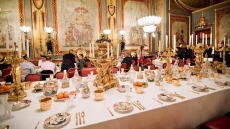
After sunset prayers, a large feast known as "iftar" is shared with family and friends. Across the Arab world, apricot juice is an iftar staple. In South Asia and Turkey, yogurt-based drinks are popular.
Every night of Ramadan, mosques and aid organizations set up tents and tables where they offer free iftar meals.
But large crowds at mosques can also be targets for extremists. Afghan and U.S. military officials have said they expect Taliban attacks to increase during Ramadan. Nigerian officials say the extremist Boko Haram group plans to attack Muslims during morning and evening prayers.

CAN MUSLIMS BE EXEMPTED FROM FASTING?
There are exceptions for children, the elderly, those who are ill, women who are pregnant, nursing or menstruating, and people travelling, which can include athletes during tournaments.
Many Muslims, particularly in the United States and Europe, are accepting and welcoming of others around them who aren't observing Ramadan.
However, non-Muslims or adult Muslims who eat in public during the day can be fined or even jailed in some Mideast countries, such as Saudi Arabia and the United Arab Emirates, which is home to a large Western expat population.
In many predominantly Muslim countries like Indonesia, karaoke bars and nightclubs close down for the month. Restaurants there use curtains to conceal customers who eat during the day.
Egypt's Dar al-Ifta, which issues religious edits, on Monday warned against eating in public, saying it is not an act of personal freedom but an "assault on Islam."
In China, minority Uighur Muslims complain of restrictions by the Communist Party, such as bans on fasting by party members, civil servants, teachers and students, as well as generally enforced bans on children attending mosques, women wearing veils and young men growing beards.

WHAT ARE SOME RAMADAN TRADITIONS?
Typically, the start of the month is welcomed with the greeting of "Ramadan kareem!" Another hallmark of Ramadan is nightly prayer at the mosque among Sunni Muslims called "taraweeh."
Egyptians have the tradition of Ramadan lanterns called the "fanoos," often the centerpiece at an iftar table or seen hanging in window shops and from balconies. In the Gulf, wealthy families hold "majlises" where they open their doors for people to pass by at all hours of the night for food, tea, coffee and conversation.
Increasingly common are Ramadan tents in five-star hotels that offer lavish and pricey meals from sunset to sunrise. While Ramadan is a boon for retailers in the Middle East and South Asia, critics say the holy month is increasingly becoming commercialized.
Scholars have also been disturbed by the proliferation of evening television shows during Ramadan. In Pakistan, live game shows give away gifts promoting their sponsors. In the Arab world, monthlong soap operas rake in millions of dollars in advertising.

HOW DO MUSLIMS MARK THE END OF RAMADAN?
The end of Ramadan is marked by intense worship as Muslims seek to have their prayers answered during "Laylat al-Qadr" or the "Night of Destiny." It is on this night, which falls during the last 10 nights of Ramadan, that Muslims believe God sent the Angel Gabriel to the Prophet Muhammad and revealed the first verses of the Qur’an.
The end of Ramadan is celebrated by a three-day holiday called Eid al-Fitr. Children often receive new clothes, gifts and cash. Muslims attend early morning Eid prayers the day after Ramadan. Families usually spend the day picnicking outside.