In a pioneering effort to tackle the growing mountains of e-waste, an IIT-trained Australian scientist of Indian origin at the University of New South Wales (UNSW) here has helped launch the world's first microfactory that can transform electronic waste (e-waste) like smartphones and laptops into valuable material for re-use.
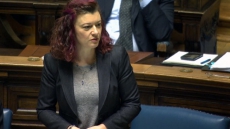
Professor Veena Sahajwalla, a materials scientist at UNSW and Director of the Centre for Sustainable Materials Research and Technology (SMaRT) at the varsity, said the e-waste microfactory is the first of a series under development and in testing at UNSW which is now actively wooing Indian students to its Sydney campus.
These microfactories can also turn many types of consumer waste such as glass, plastic and timber into commercial materials and products.
Using technology developed after extensive scientific research at the SMaRT Centre, the e-waste microfactory has the potential to reduce the rapidly growing problem of vast amounts of electronic waste that cause environmental harm and go into landfills.
The microfactories can use e-waste like computer circuit boards to make metal alloys such as copper and tin, while glass and plastic from e-devices can be converted into micromaterials used in industrial-grade ceramics and plastic filaments for 3D printing.

"Our e-waste (microfactory) and another under development for other consumer waste types offer a cost-effective solution to one of the greatest environmental challenges of our age, while delivering new job opportunities to our cities but importantly to our rural and regional areas, too," said the Mumbai-born Sahajwalla, who did her B.Tech in metallurgical engineering from IIT Kanpur in 1986.
"Using our green manufacturing technologies, these microfactories can transform waste where it is stockpiled and created, enabling local businesses and communities to not only tackle local waste problems but develop a commercial opportunity from the valuable materials that are created," she said.
According to Sahajwalla, microfactories present a solution to burning and burying of waste items that contain materials that can be transformed into value-added substances and products to meet existing and new industry and consumer demands. She termed microfactories a "truly sustainable solution to our growing waste problem while offering economic benefits available to local communities".
"We have proven you can transform just about anything at the micro-level and transform waste streams into value-added products. For example, instead of looking at plastics as just a nuisance, we've shown scientifically that you can generate materials from that waste stream to create smart filaments for 3D printing," she said.
"These microfactories can transform the manufacturing landscape, especially in remote locations where typically the logistics of having waste transported or processed are prohibitively expensive. This is especially beneficial for the island markets and the remote and regional regions of the country."
UNSW has developed the technology with support from the Australian Research Council and is now in partnership with a number of businesses and organisations, including e-waste recycler TES, mining manufacturer Moly-Cop, and Dresden which makes spectacles.

UNSW is one of the world's leading research and teaching universities and is home to more than 52,000 students from nearly 130 countries. UNSW is ranked 45th in the world, according to QS World University ranking.
Sahajwalla has received numerous awards, including Distinguished Alumnus Award by the Indian Institute of Technology Kanpur for her outstanding contributions in the field of materials processing for sustainable development (2015), and also the Eureka Prize (2005), Pravasi Bhartiya Samman for outstanding achievement in science (2011).