While the Pakistani establishment was aware of the BJPs manifesto commitment, the abrogation of Article 370 and 35A came as a shock. Kashmir has been so emotive an issue that reactions in Pakistan have been expectedly sharp.
For one, even saner sections of intelligentsia believe, the heart of any dialogue process for normalization of ties with India has been removed. The faint hope for a reasonable settlement based on optimum self-governance for Kashmiris stands extinguished.
While the international response has been muted, Pakistanis believe sustained pressure should be maintained in this regard. Usual cries have rent the rhetoric, demanding quick appointment of a Special Envoy for Kashmir with Cabinet rank, someone with international stature and repute, who commands the confidence of all institutions (read 'Army'!).
It is argued that Pakistan should approach the United Nations Security Council under Chapter VII, Article 39, holding that a threat to peace, breach of peace, or act of aggression is triggered by India's unilateral action, especially if the focus on human rights violations likely to ensue in Jammu & Kashmir (J&K) can be highlighted. Pakistan is exhorted to work diligently in coordination with China in this regard.
Another legal option being seriously considered is to approach the International Court of Justice, deeming the annexation of Kashmir illegal under Article 42 of the Hague Regulations 1907, under which ‘territory is considered occupied when it is actually placed under the authority of the hostile army'.
The argument would be to project that India has routinely breached the Hague Regulations gravely by intentionally targeting civilians, who have been "murdered by security forces in reprisal attacks and summarily executed in custody", potentially constituting war crimes.
The Kashmiri struggle for self-determination has often depended on outside help. Pakistanis realize, they will come under pressure to extend material help beyond diplomatic support if Kashmiris are to agitate. This poses an inevitable dilemma. The experience of the 1990s was used by India to effectively malign and distort the indigenous Kashmiri uprising, by ascribing the infiltration of Jihadi elements as state sponsorship of terrorism. Since then, India keeps justifying its repressive measures in Kashmir as counter-terrorism.
This time, Pakistanis ponder, they must not allow India this pretext to misrepresent the Kashmiri struggle internationally. This would be irrespective of Pakistan's own counter-terrorism commitments including those in the context of Financial Action Task Force (FATF).
Pakistanis are convinced that the current ‘draconian military clampdown' in J&K would be unsustainable in the long run. The new generation of Kashmiri Muslims will not take it lying down. Even the international response will become more favourable, as Kashmiri voices, currently stifled, are heard and the youth uprising gripping the Kashmir Valley revives. The situation will get uglier.
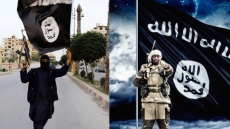
The `new intifada' would have different characteristics from earlier movements. Pakistan may not be in a position to influence the resistance this time, which would become violent. Groups like Ansar Ghazwat-ul-Hind (AGH), which declare adherence to more radical ideologies like those of Al Qaeda in the Indian Subcontinent (AQIS) and Islamic State (IS), are gradually making inroads into the ultra-radical militant /insurgency scene in Kashmir. The AGH has so far been against Pakistan.
Many in Pakistan believe this may be a blessing in disguise. If these groups (AGH) can trigger a long-term resistance movement, Kashmir-based armed groups like Hizbul Mujahideen (HM) could be guided by ISI to suitably reorganize their operational structures and tactics for united action.
Leaders of sectarian and militant groups In Pakistan have tried to signal their relevance in the changing situation. Some audio, video and text messages circulated in social media, declaring support for the Kashmir cause. They have not yet received a response from the state. Even forums like the Difa-i-Pakistan Council have not resurfaced. This could change, especially if the Lahore High Court releases Hafiz Mohammed Saeed in the appeal coming up before it.
While war is not considered viable at present, the establishment cautions against two distinct dangers from a triumphalist Indian regime: direct intervention or subversion in Pakistan Occupied Kashmir or Gilgit / Baltistan and inside Pakistan.
Even as pressure for 'out of box' solutions mounts from disappointed hardline domestic radicals (read Jamaat-ud-Daawa, Jaish and others), the real fear is that this may cause the Army to fall from its self-acclaimed pedestal of defender, savior or protector of the sovereignty of Pakistan. Already, the beleaguered Opposition is contemplating a program of joint street resistance, under stewardship of Jamiat-e-Ulema's Maulana Fazlur Rehman, where they would berate the government's feeble response.
Many in Pakistan also worry whether they should flag the 'existential plight' of India's muslims, who they believe, will face increasing discomfort as the plight of Kashmiri muslims confronts them. Should Pakistanis stand up for them or should they leave it as India's matter?
India must remain prepared for tough, sustained hostility from Pakistan in 'the long haul' of restoring normalcy in J&K.