Some practices used to celebrate this time of year are polluting the environment, and this can easily be changed if we work on making mindful changes.

Although Diwali is known as the Festival of Lights, at its core, Diwali is about tradition, family and a celebration of peace. Diwali celebrates the triumph of good over evil in multiple religions, providing hope and joy to many communities around the world. However, some of the practices used to celebrate this time of year are polluting the environment, and this can easily be changed if we work on making mindful changes to how we choose to celebrate this festival.

For instance, firecrackers have long been the prime source of entertainment and celebration on Diwali, but its affects on the environment are detrimental in many ways. Fireworks leave each city hazy and full of smoke, which creates great difficulty for those with respiratory problems. In a research study done in 2013 on the emissions of Diwali fireworks in India, a twofold to threefold increase in aerosols, black carbon and nitrogen oxide emissions was noted as a result of fireworks each Diwali for three consecutive years.
Similarly, other densely populated regions where people celebrate Diwali have produced harmful pollutants and gases several times greater in concentration than on the average day. Instead of using fireworks, finding other sources of light and décor can make up for their absence. Something as simple as using LED lights instead of more energy-consuming electrical lighting can reduce the energy consumption by as much as 80 per cent, and it also eliminates the need for fireworks.

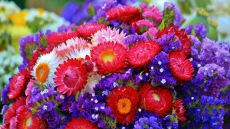
Further, using natural colours rather than chemical ones to decorate, and fresh flowers or organic incense sticks as fragrance for the home are easy ways we can make a difference not just on Diwali, but in our daily lives. Create your own DIY diyas and use oil diyas which are more traditional, cost-effective and biodegradable. Creating a rangoli, a colourful pattern made on the ground using rice, flower petals, sand and chalk, has been a great tradition for years. Using things found in nature to make these patterns is a great way to celebrate Diwali more sustainably, and can be a fun and easy activity for the entire family. These can be made through various art mediums, such as by painting, sketching or using any household supplies to get creative and decorate!
It is all about changing the mindset and developing eco-friendly habits which will allow us to look after our planet and preserve it for the future generations. Spend Diwali with those you love, and try to celebrate Diwali responsibly, where minimal environmental consequences take place.