For centuries, Diwali has been characterized by the light emanating from diyas. That’s the reason why the festival is also called ‘Deepawali’.
The word Deepa in Sanskrit means light. While the modern-day iteration of the festival involves the bursting of firecrackers, the practice is being questioned because of its environmental and health impact.
The Lore Behind Diwali
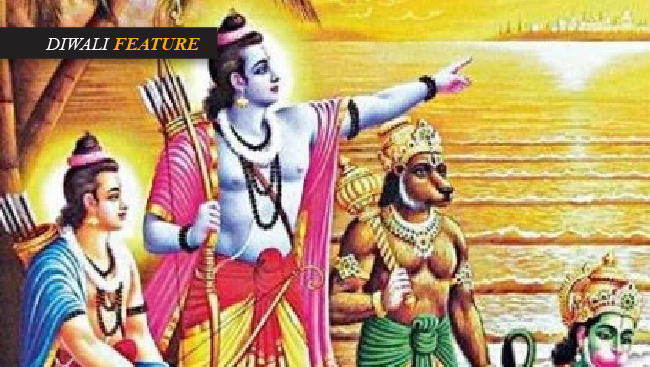
The deeper roots of Diwali are linked to the Hindu itihasa. The most popular story comes from the Ramayana, where Lord Rama returns to Ayodhya after defeating Ravana and completing his 14 years in exile. People of Ayodhya lit earthen lamps or diyas to welcome him, signifying the victory of good over evil.
Diwali is also associated with the goddess Lakshmi, who represents wealth and prosperity. Lighting lamps are believed to invite her blessings into homes. Along with lights, the sound from temple bells and drums, it is believed, can drive away evil and misfortune, personified by ‘Alakshmi’.
Brief History of Fireworks on Diwali
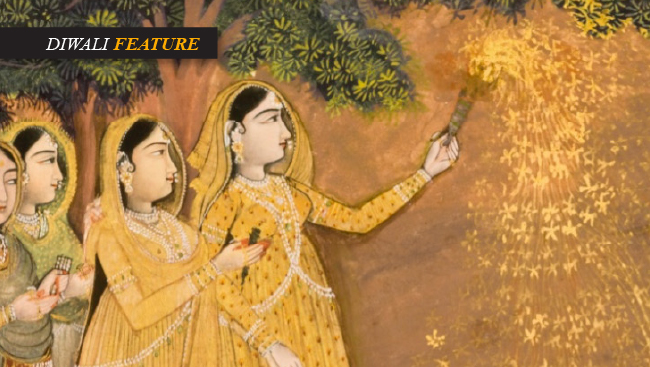
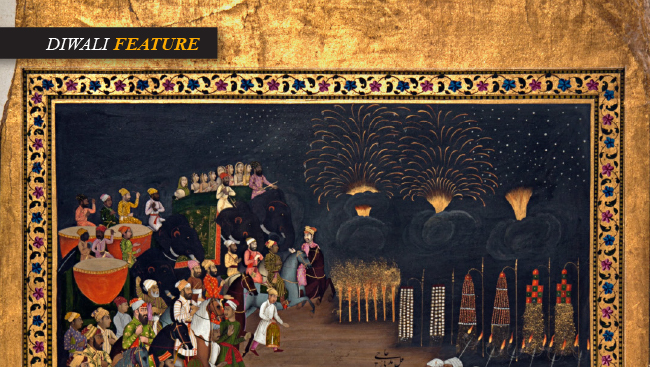
The general belief is that the tradition of fireworks during Diwali is not as old as the festival itself. Historical accounts suggest that firecrackers came to India from China, where gunpowder was invented around the 9th century. Crackers are believed to have entered India through trade routes around the 15th century. Over time, their use merged with Diwali festivities. By the late medieval period, fireworks had become a way for royal courts and wealthy families to showcase grandeur during Diwali. In modern times, firecrackers became a mass-produced product, accessible to households across the country.
However, some people believe that firecrackers in some forms have always been a part of the festival for thousands of years. They link the bursting of firecrackers to the worship of ancestors, which takes place before Diwali during the ‘Shraddh’ period. It is believed that lights and sounds coming from firecrackers illuminate the path for ancestors to return to heaven.
Nevertheless, modern fireworks combined with earthen lamps, candles, and electric lights have turned Diwali into the festival of lights as we know it today.
Environmental Impact of Firecrackers
The rising use of firecrackers has now come under scrutiny. Diwali night often sees air quality levels in major Indian cities dropping to hazardous levels. Crackers release large amounts of particulate matter (PM2.5 and PM10), sulfur dioxide, and nitrogen oxides. These pollutants aggravate respiratory diseases like asthma and bronchitis, especially among children and the elderly. Noise pollution is another side effect. Firecrackers can reach sound levels above 125 decibels, which is harmful to human ears and distressing to dogs, birds, and other animals.
Rise of Drone Light Shows
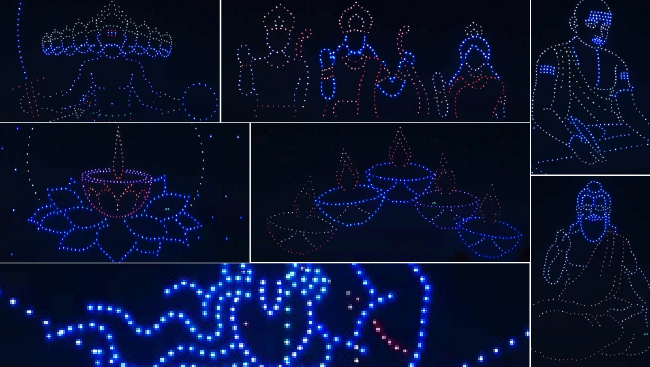
With growing awareness of environmental damage, people are turning to alternatives. Drone light shows are among the most striking new features of Diwali celebrations. Using hundreds of synchronized drones equipped with LED lights, these shows can create large-scale visual spectacles in the night sky.
First introduced in India during major public events like Independence Day and Republic Day, these shows create vivid displays while avoiding the smoke and noise. The best example has been the 2024 Deepotsav in Ayodhya, where 500 ‘Made-in-India’ drones undertook a light show, depicting various elements from the Ramayana.
As Diwali continues to evolve, it remains rooted in its timeless essence—the triumph of light over darkness, knowledge over ignorance, and hope over despair. Whether through the glow of diyas, the brilliance of fireworks, or the shimmer of modern drone shows, the festival reminds us to embrace joy, unity, and renewal. This festive season, may the lights you kindle illuminate not just your home, but also your heart, with prosperity, health, and peace