Researchers, including one of Indian-origin, from Washington University have revealed that people in the US would rather drive themselves than have an autonomous vehicle drive them.
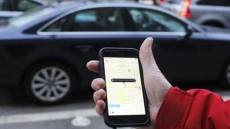
Many Americans use a ride-hailing service -- like Uber or Lyft -- to get to and from work. It provides the privacy of riding in a personal car and the convenience of catching up on emails or social media during traffic jams.
In the future, self-driving vehicles could provide the same service, except without a human driver.
"The average person in our sample would find riding in a driverless car to be more burdensome than driving themselves. This highlights the risks of making forecasts based on how people say they would respond to driverless cars today," said study senior author Don MacKenzie.
For the findings published in the journal Transportation, the research team studied how Americans' perceived cost of commute time changes depending on who's driving.
Through a survey, the team found that people considered a ride-hailing service at least 13 per cent "less expensive," in terms of time, compared to driving themselves.
If the researchers told people the ride-hailing service was driverless, however, then the cost of travel time increased to 15 per cent more than driving a personal car, suggesting that at least for now, people would rather drive themselves than have an autonomous vehicle drive them.
During the survey, the research team asked people across the continental US to select between a personal car or a ride-hailing service for a 15-mile commute trip.
Half the 502 respondents were told that the ride-hailing service was driverless.
The researchers converted the responses to a score of how much respondents deemed that trip would cost per hour.
"If someone values their trip time at $15 per hour, that means they dislike an hour spent travelling as much as they dislike giving up $15, so a lower number means that the time spent travelling for that trip is less burdensome," said study co-author and Indian-origin researcher Andisheh Ranjbari.
According to the researchers, driverless cars aren't commercially available yet, so people are not familiar with them or may be leery of the technology.