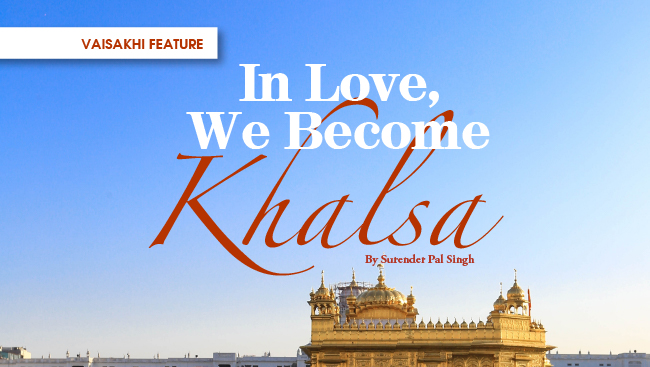
Vaisakhi, traditionally a harvest festival, marks and celebrates a significant spiritual revolution in human history. On this day in 1699, Guru Gobind Singh Sahib convened a gathering at Anandpur Sahib, bringing forth a new consciousness, a sovereign spirit.
Through the nectar of the Guru’s love, the Sikhs merged with the Sovereign, becoming sovereign themselves. They shed old identities and allegiance. The ties that bind were destroyed, and the seekers made the choice to step into a new way of being—rooted in Sabad (word-sounds of the Wisdom), radiating grace and power.
In this transformation, they became one with the Guru. In Guru, they became the Guru.
The tradition beautifully affirms:
ਵਹੀ ਵਰਤਾਰੋ ਭੁਜੰਗਨ ਵਰਤਾਯੋ । ਆਪਸ ਗੁਰ ਚੇਲਾ ਕਹਿਵਾਯੋ ।
ਯਹੀ ਆਦ ਹੁਤ ਆਯੋ ਵਰਤਾਰਾ । ਜਿਮ ਨਾਨਕ ਗੁਰ ਅੰਗਦ ਧਾਰਾ ।
The same miracle was manifested through the disciples. They came to be known as mentor-disciple in one.
This has been the tradition from the very beginning. Just as Nanak established Angad as the Guru.
–Sri Gur Panth Prakash, Chapter 15
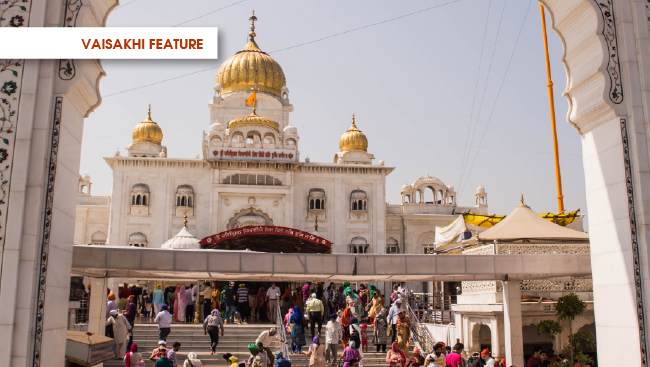
Today, we commemorate the inauguration of the Khalsa Panth. But what does it mean to be the Khalsa at this moment? How does the Khalsa ideal illuminate our inner lives, our communities, our systems?
Bhagat Kabir Ji offers clarity:
Those who know the loving devotion of the Divine have become Khalse.
–Guru Granth Sahib, 655
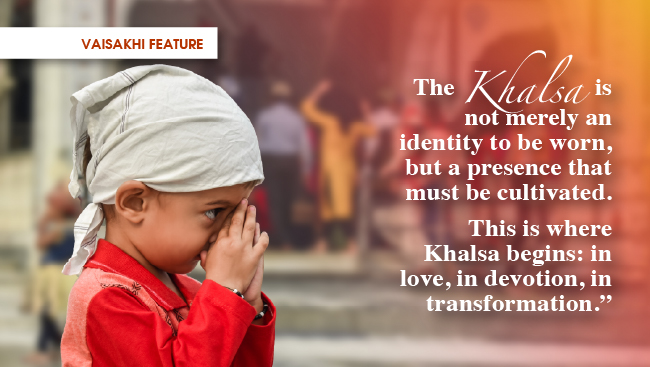
The Khalsa is not merely an identity to be worn, but a presence that must be cultivated. It is the constant lighting of the inner lamp, a heart filled with longing for IkOankar (the One). This is where Khalsa begins: in love, in devotion, in transformation.
Professor Puran Singh echoes this transformative love in his reflections on the individual and society. He writes of a world where people dissolve their “i-ness” or self-centeredness, and become new beings through their union with the Divine. He calls us to a vision of a world anchored in deep self-renunciation and love:
"The politics of the Sikh… is the gladsome, spontaneous renunciation of the little self in the love of the Guru... Not the great renunciation, but the small joys of continuous self-sacrifice, at every step, at every breath… Unless the rich atmosphere of peace is brought in, where the tiger and the lamb drink at the same pool, there can come no true culture in the bread-affairs of man."
This is the call of Halemi Raj—the gentle rule, the Guru’s Kingdom—where dignity, liberty, and justice flow from the love of the Divine. The Guru has already shown us the way.
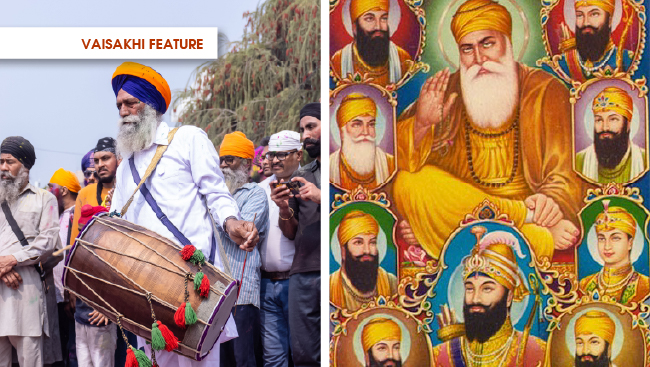
This Vaisakhi, let us ask ourselves. Am I a reflection of the Khalsa today? Do I reflect the light, courage, and compassion of the Khalsa? What do I need to do to be an image of the Khalsa?
Let us awaken. Let us respond. Let us become.
Author Bio:
Surender Pal Singh
Senior Research Associate, SikhRI
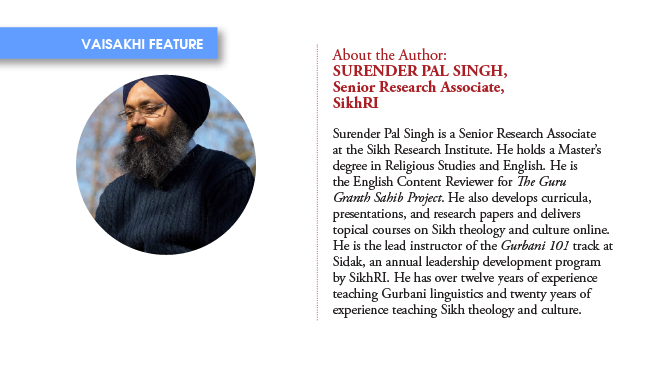
Surender Pal Singh is a Senior Research Associate at the Sikh Research Institute. He holds a Master’s degree in Religious Studies and English. He is the English Content Reviewer for The Guru Granth Sahib Project. He also develops curricula, presentations, and research papers and delivers topical courses on Sikh theology and culture online. He is the lead instructor of the Gurbani 101 track at Sidak, an annual leadership development program by SikhRI. He has over twelve years of experience teaching Gurbani linguistics and twenty years of experience teaching Sikh theology and culture.