In a place and time, where different branches of the same family live apart by hundreds of miles, Diwali is one of the days family is remembered and met as a sanction from the bustle of everyday lives.

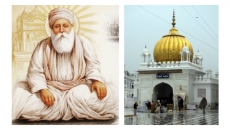
Diwali, Deepavali, or the festival of lights, is a vibrant celebration of culture, religion, new beginnings, family, and the triumph of good over evil. It originates from several religious roots. With Hinduism it was the day of celebration for the return of Prince Ram from his 14-year exile, during which he won a battle against Ravan. With Sikhism, Diwali or more commonly called Bandi Chhor Divas, celebrates the release of Shri Guru Hargobind Ji along with 52 princes from a Mughal Empire prison. Additionally, Jains observe Diwali for the final liberation of Mahavira and some Buddhists celebrate Diwali by worshiping Lakshmi, the Hindu goddess of wealth. So, the importance of Diwali cannot be understated for a variety of religions, where it is synonymous with such huge milestone events.

Diwali further holds great cultural significance, as the holiday commonly overtakes entire countries, and is a recognized holiday in India, Fiji, Malaysia, Singapore and Sri Lanka, among others. More modernly, Diwali is also seen as a celebration of family. In a place and time, where different branches of the same family live apart by hundreds of miles, Diwali is one of the days family is remembered and met as a sanction from the bustle of everyday lives.
However, despite all these motivations to value Diwali, the significance of it has the potentiality of fading away, due to the decreased interest showed in it by the next generation. This is especially true for those who live in different countries, speak different languages, and follow different cultures than their parents knew.

The reason children might be at risk for forgetting their own culture, can be traced to three basic principles. They are not involved, they are not taught, and they are not excited. First and foremost, children must be involved. They cannot know the importance of something they are not there to see. Cleaning the house, making sweets, visiting the temple, setting up deva, or participating in the large group light shows that take place annually – are all ways in which children can become more invested in the celebrations. The light show gatherings are especially amazing to witness, if only for the enthusiasm of those in attendance. The number of people in Surrey alone who take part, is significantly large, showing that a few thousand miles don’t in anyway hinder the celebrations. And that is something that is important for children to see.
This leads to the second point of having children learn the significance of what they are celebrating. This includes the religious history behind the day, the cultural value to the South Asian community as a whole, and the way it brings families together.

Lastly, no amount of teaching or involvement ever lasts if there is no genuine interest or excitement toward the day itself. This can be remedied in a number of ways. Allowing children to participate as a part of a larger light show, planning get togethers with extended family they haven’t seen in a while, and even having special dishes or rituals associated with the celebration can help raise the distinctiveness of the day. The more distinctive the day becomes, the more important it becomes, and the more likely to be celebrated again.
After all, Diwali, which forms the very connecting cord between so many brilliant colours and religions, deserves to live on.