MONTREAL — The new federal government should proceed slowly with changing the country's drug laws, says the Canadian Centre on Substance Abuse, which has released a report on the U.S.'s experience legalizing cannabis.
Representatives with the centre, which is funded by Health Canada, met with officials from the two U.S. states to legalize pot for personal use — Colorado and Washington — to learn about what mistakes to avoid.
Rebecca Jesseman, senior adviser for the centre, said in an interview the Canadian addiction experts were given one key message during their visit south of the border: Take your time.
"They said to start incrementally and don't move too quickly," on marijuana legalization, she said. "And make sure your decisions and your actions are informed by the best possible evidence available because there are going to be unanticipated consequences."
Colorado learned that lesson while trying to regulate non-smoked marijuana products, known as edibles.
Authorities quickly realized that while the state regulated the amount of marijuana allowed in a single dose, it failed to restrict the number of doses allowed in food portions.
"So you had single brownies containing multiple doses of THC," she said. THC is the main component of marijuana that causes the high. "Now they changed the law and then the producers had to change their packaging and (producers) even told us they wanted a more restrictive approach from the beginning."
Representatives from the substance abuse centre, as well as other Canadian health experts and members of the RCMP, met with U.S. regulators, law-enforcement officials, marijuana producers as well as advocates for and against legalization.

Stores began selling recreational marijuana in Colorado on Jan. 1, 2014, and on July 8, 2014, in Washington.
Jesseman said it was important to go on the fact-finding mission because there isn't a lot reliable data on the American legalization experience and "waiting for scientific publications can take years."
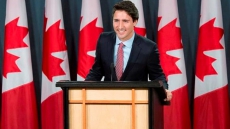
Prime Minister Justin Trudeau said during the recent election campaign he wanted to legalize marijuana in order to restrict its access to children, reduce the drug market share of organized criminals and lessen the burden on the country's justice system.
Jesseman said those three points are a good place to start, but she added Trudeau needs to direct his government to begin collecting drug-related data immediately.
She said in order for the government to monitor the success or failure of policies, the country needs better baseline data on current drug habits in order to compare the figures with data collected after marijuana is legalized.
"There are questions that Colorado and Washington can't answer because there wasn't any baseline data," Jesseman said. "The greater the extent of work that can be done in advance the better."
While there is a lot of sound, scientific data going back years on the harmful effects of marijuana on the developing brains of people under 25, there are important gaps in research, said doctor Amy Porath-Waller, director of research and policy at the substance abuse centre.
She said there isn't much data available on the consequences of regularly ingesting high doses of THC in edibles, and little data on the long-term effects of marijuana use for medical purposes.

"For any of our other pharmaceutical drugs they go through rigorous clinical trials," Porath-Waller said. "We really need to do the same for medical cannabis."