Wednesday, December 24, 2025
ADVT 
National

Adjudicator rules in Indigenous health case

Darpan News Desk The Canadian Press, 20 Aug, 2020 07:09 PM
  • Adjudicator rules in Indigenous health case

A human rights adjudicator has ruled that the Manitoba government discriminated against a disabled Indigenous boy by not providing adequate health care.

The province has been ordered to pay the boy and his mother $42,500.

The case centres on Alfred (Dewey) Pruden, who was 16 years old when his human rights complaint was heard last year.

Pruden was born with a neurological disorder, is on the autism spectrum, and suffers from vision loss and poor motor skills.

The hearing was told the province provided some health care services, but denied others on the basis that the federal government is responsible for health care in First Nations communities.

Adjudicator Robert Dawson ruled Pruden did not get the care he needed, because of the jurisdictional divide between the federal and provincial governments.

"No government or other official intended to treat the complainants differently by reason of their ancestry as Anishinaabe people," Dawson wrote in his 20-page decision.

"However, that was the very effect of the whole of the assorted policies, practices, and even laws that try to carve out the concurrent jurisdiction of the federal and provincial governments in respect of health care and related services for First Nations people living in First Nations communities."

Dawson said the end result was that Pruden, who's a member of the Pinaymootang First Nation, 220 kilometres northwest of Winnipeg, received less help than a non-Indigenous person in his situation would have.

"Those intergovernmental arrangements caused health care and related services to be denied, delayed, or intermittently interrupted for the complainants. The same problems did not afflict neighbouring non-First Nations communities and those residents enjoyed health care and related services without denial, delay, or interruption."

The complainants had sought more money, including $200,000 in estimated future lost wages for the mother, who had changed jobs to have more time to care for her son. The adjudicator rejected that request.

MORE National ARTICLES

Minister says reckoning on police violence against Indigenous people needed

Minister says reckoning on police violence against Indigenous people needed
Indigenous Services Minister Marc Miller says Canada needs a reckoning over a repeated and disgusting pattern of police violence against Indigenous people. Miller says he "watched in disgust" video and reports this week of violence against a 22-year-old Inuk man in Nunavut and a 26-year-old First Nations mother in New Brunswick.

Minister says reckoning on police violence against Indigenous people needed

Canada unemployment rate hits new record

Canada unemployment rate hits new record
Canada clawed back 289,600 jobs in May as provincial governments began easing public health restrictions and businesses reopened, Statistics Canada said Friday. Still, the unemployment rate in May rose to 13.7 per cent, the highest level in more than four decades of comparable data.

Canada unemployment rate hits new record

Anti-racism protesters march in Toronto; Trudeau calls systemic racism real

Anti-racism protesters march in Toronto; Trudeau calls systemic racism real
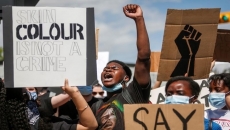
The head of Toronto's police service took a public knee on Friday in solidarity with marching anti-racism demonstrators protesting police killings of black people, with similar demonstrations planned in other Canadian cities.

Anti-racism protesters march in Toronto; Trudeau calls systemic racism real

Trudeau offers $14B to provinces for anti-COVID-19 efforts through rest of year

Trudeau offers $14B to provinces for anti-COVID-19 efforts through rest of year
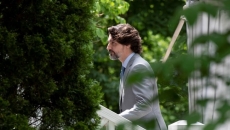
Prime Minister Justin Trudeau says the federal government is offering $14 billion to the provincial and territorial governments for measures to keep COVID-19 at bay.

Trudeau offers $14B to provinces for anti-COVID-19 efforts through rest of year

Vancouver doubles height for mass-timber development from six to twelve storeys

Vancouver doubles height for mass-timber development from six to twelve storeys
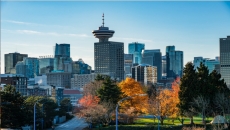
Amendments to the city's building bylaw approved by Council last week will allow mass timber construction up to 12 storeys for residential and commercial uses, doubling the current height limit of 6 storeys. With changes taking effect on July 1, permitting taller mass timber construction within the Building By-law will make it easier to build with low carbon materials, support housing affordability, and remove barriers for the construction industry at a time of crisis and economic recovery.

Vancouver doubles height for mass-timber development from six to twelve storeys

COVID-19 modeling data highlights safe distancing benefits as B.C. reopens

COVID-19 modeling data highlights safe distancing benefits as B.C. reopens
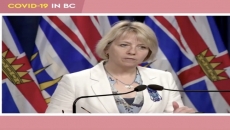
New COVID-19 modelling information highlights the virus-fighting benefits of safe distancing protocols as British Columbia reopens the province while the pandemic progresses.

COVID-19 modeling data highlights safe distancing benefits as B.C. reopens