B.C.'s Forests Minister Ravi Parmar says the expectation of more duties and additional tariffs piled onto Canadian softwood lumber would "absolutely be devastating" for the country's industry.
Parmar says the government expects the U.S. Commerce Department will issue anti-dumping duties by Friday of as much as 14 per cent, on top of the current 14.4 per cent duty.
Americans buy a lot of lumber from BC.
— Ravi Parmar (@rparmar_BC) February 19, 2025
Higher duties and a Trump tariff only makes it more expensive for families trying to recover and rebuild from wildfires & hurricanes.
It’s time to drop the duties and the threat of tariffs & keep housing affordable for Americans. #bcpoli pic.twitter.com/TJH5QBdnp2
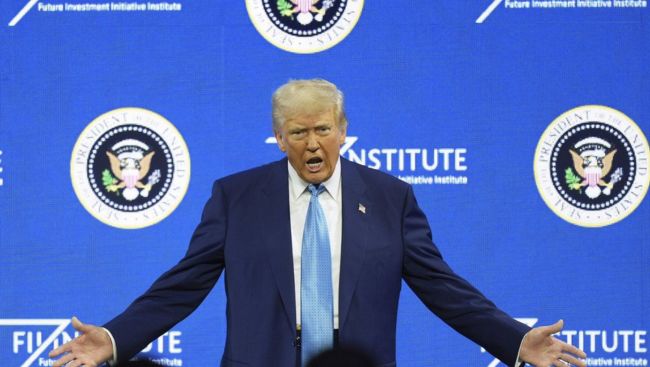
It comes after U.S. President Donald Trump told media on Air Force 1 that his administration was eyeing a 25 per cent tariff on lumber some time around April.
Parmar says he knows many forestry workers are going to be worried about their jobs and he'll continue to fight for them.
He says the extra tariffs are "very likely" and Canada should take Trump at his word.
Trump has paused his threat of tariffs until March 4, but says he still plans 25 per cent tariffs on all Canadian goods and a 10 per cent levy on imports of Canadian energy.
Canadian steel and aluminum have already been singled out for 25 per cent tariffs.
Parmar was recently in California, where 16,000 buildings were destroyed by wildfires, meeting with builder groups who said they need Canadian lumber, not only to rebuild, but to prepare for FIFA events next year and hosting the Olympic Games in 2028.
"Imagine the president going to Los Angeles in 2028 to host the Olympics — I understand the guy likes to host parties — and as part of that being in a city that hasn't been able to rebuild because of the tariffs and duties he has put on goods from British Columbia, goods from Canada," he told reporters in Victoria. "It's ludicrous."
Canada's forestry sector recently described the threatened tariffs as unnecessary and unwarranted, given that the United States currently meets only about 70 per cent of its homebuilding lumber needs domestically and uses Canadian lumber to fill the gap.
If the threatened 25 per cent tariff is added to current and pending duties, the combined total on softwood exports to the United States will be closer to 50 or 55 per cent, Parmar said.
The U.S. last raised duties on softwood lumber from Canada last August from 8.05 per cent.
Parmar said he has already asked the federal government to support the industry under the threat of tariffs with loan guarantees and worker support.
"It's important that we keep this industry going and those workers employed."
He said provincial and federal governments need to continue to make the case that while such tariffs hurt Canadians, they will also hurt Americans.
"Whether it's the wildfires in California, the hurricanes in North Carolina, the cost of doing business, the cost of rebuilding their homes is going to skyrocket in those states.
"It's important for the residents in those communities to know that those are the actions of their president."