British Columbia is further easing restrictions that are in place because of COVID-19, allowing hotels, motels, spas, resorts, hostels and RV parks to resume operating.
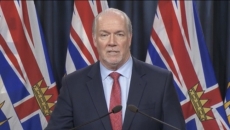
Premier John Horgan said Wednesday the province has been successful at flattening the curve on COVID-19, which means it can ease more health restrictions and gradually move into the third phase of its reopening plan.
He said the province is able to open more industries, institutions and recreation areas, but gatherings of people must remain at 50 people or less.
Provincial health officer Dr. Bonnie Henry said recent modelling data shows if B.C. residents keep their current level of contact with other people, then COVID-19 infection rates can be held in check.
Horgan said like other activities during the COVID-19 pandemic, summer holidays and travel will be different this year.
"As we carefully turn up the dial on our activity, we can now look to travel safely around the province. But as we hit the open roads this summer, we must remember we are not leaving COVID-19 behind, and we need to continue to do our part to bend the curve and protect the progress we've made," Horgan said.
The government has released guidelines that include people respecting local travel advisories to remote communities, staying home if they are sick, maintaining a two-metre physical distance from others, and spending time in small groups and open spaces.
Horgan said people have done the hard work of keeping the virus at bay.
"I commend British Columbians because it's their hard work that got us here based on the guidance that we've received from public health. And the hard work of British Columbians, I think, deserves a bit of time at the lake or on the beach."
Horgan's announcement comes one day after Henry released modelling figures that said the province is maintaining a balance where contacts are increasing but at a rate that is keeping COVID-19 infection rates from spiking.
Henry said contact rates are at about 65 of normal in B.C., up from 30 per cent, but it's all the more important to continue limiting contacts to allow for quick contact tracing if the illness spreads.
Up to 97 per cent of a person's contacts have been found within a few days after a case is identified, she said. Going to an 80 per cent rate of normal contacts would result in a dramatic increase in cases before a vaccine is available, she said.
The modelling shows that while B.C. has had success, first in dramatically flattening its curve and then in maintaining a relatively stable number of new cases, continued success depends on maintaining physical distancing and other precautions, Henry said.
B.C. has had 2,835 cases of COVID-19 and 170 deaths.
The legislature resumed this week for a summer sitting, with Horgan's New Democrat government facing criticism about delays in a long-awaited pandemic recovery program.
Last week, Horgan announced several online participation platforms, including surveys and virtual town hall meetings, to encourage people to have their say on the province’s recovery plans.
He said the six-week survey period will allow people to share their ideas, experiences and priorities, but Opposition Liberal Leader Andrew Wilkinson said people without jobs and businesses struggling to survive need immediate help not surveys.
B.C. entered its initial restart phase last month by easing restrictions to allow the reopening of some businesses, including restaurants, hair salons, dentist offices and physiotherapy clinics. Schools reopened on reduced schedules for students on June 1.