Monday, December 22, 2025
ADVT 
National

B.C. data shows First Nations keeping COVID-19 cases low, 87 cases, 4 deaths

Darpan News Desk The Canadian Press, 26 Jun, 2020 07:41 PM
  • B.C. data shows First Nations keeping COVID-19 cases low, 87 cases, 4 deaths

First Nations in British Columbia have been able to limit COVID-19 infection rates in their communities by strictly following health guidelines and using lessons learned from the historic spread of disease that decimated Indigenous populations.

Dr. Shannon McDonald of the First Nations Health Authority, says since Jan. 1, there have been 87 cases of the virus among Indigenous people in B.C. and four deaths, a rate below the provincial average.

She says there are currently three active COVID-19 cases among Indigenous Peoples in B.C.

McDonald says the data is based on COVID-19 testing results of more than 5,500 Indigenous people through a program unique in Canada that allows the sharing of federal and provincial data with the health authority.

She credits the success to the many sacrifices made by First Nations communities to follow health restrictions, restrict travel and the willingness to cancel cultural and family gatherings integral to Indigenous culture.

McDonald says much of the vigilance comes from the advice of elders recalling how previous diseases like tuberculosis spread uncontrolled through Indigenous communities.

MORE National ARTICLES

Sleep struggles: pandemic could impact body's fear response, cause poor sleep

Sleep struggles: pandemic could impact body's fear response, cause poor sleep
Tossing and turning in the middle of the night. Lying awake for lengthy stretches. Waking up groggy. The COVID-19 pandemic seems to be messing with a number of peoples' ability to get a good night's sleep these days. And sleep experts aren't surprised by that.    

Sleep struggles: pandemic could impact body's fear response, cause poor sleep

Here are some of the deadliest mass killings in recent Canadian history:

Here are some of the deadliest mass killings in recent Canadian history:
April 19, 2020: Seventeen people are killed after a man who at one point wore a police uniform and drove a mock-up cruiser travelled across northern Nova Scotia. An RCMP officer is among the dead. Police say the suspected shooter, 51-year-old Gabriel Wortman, was killed after being intercepted by officers in Enfield, N.S.

Here are some of the deadliest mass killings in recent Canadian history:

Those who knew Nova Scotia gunman shocked by rampage

Those who knew Nova Scotia gunman shocked by rampage
Neighbours and schoolmates of the man responsible for a killing rampage that left at least 19 people dead in northern Nova Scotia were attempting Monday to come to terms with the tragedy.  A 23 year member of the RCMP police force Const Heidi Stevenson was killed, a mother of two, and another officer is recovering from non life threating injuries. 

Those who knew Nova Scotia gunman shocked by rampage

COVID-19 prompts bus driver layoffs, service cuts for Metro Vancouver transit

COVID-19 prompts bus driver layoffs, service cuts for Metro Vancouver transit
There have been significant layoffs of bus drivers and deep service cuts on buses, SeaBus, SkyTrain and West Coast Express across Metro Vancouver. Nearly 1,500 bus drivers and other transit workers across Metro Vancouver are being laid off as TransLink faces plunging ridership during the COVID-19 pandemic.    

COVID-19 prompts bus driver layoffs, service cuts for Metro Vancouver transit

Demand will fuel B.C. real estate in 2021 after COVID recession: report

Demand will fuel B.C. real estate in 2021 after COVID recession: report
A report from the B.C. Real Estate Association says the 2020 COVID-driven recession will be deep, although it could be shorter than other Canadian economic downturns. The market intelligence report released Monday by the association says it expects home sales to sink 30 to 40 per cent for April 2020. 

Demand will fuel B.C. real estate in 2021 after COVID recession: report

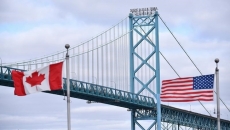
Prime Minister Justin Trudeau confirms border closure, which began on March 21 and was set to expire on Tuesday.

Prime Minister Justin Trudeau confirms border closure, which began on March 21 and was set to expire on Tuesday.
Canadian officials acknowledged some regions of the country could be closer to re-opening parts of the economy than others, but continued to stress a careful approach as the border closure with the hard-hit United States was extended for another 30 days during the COVID-19 crisis. Prime Minister Justin Trudeau confirmed the extension on Saturday for the closure restricting non-essential travel across the border, which began on March 21 and was set to expire on Tuesday.

Prime Minister Justin Trudeau confirms border closure, which began on March 21 and was set to expire on Tuesday.